Illuminating Minds: How Advanced Light Therapy is Reshaping Brain Health Strategies
Explore photobiomodulation (PBM) and its potential for brain health, neurodegenerative conditions, and caregiver support with expert insights from Neuronic.
Illuminating Brain Function: The Science of Photobiomodulation
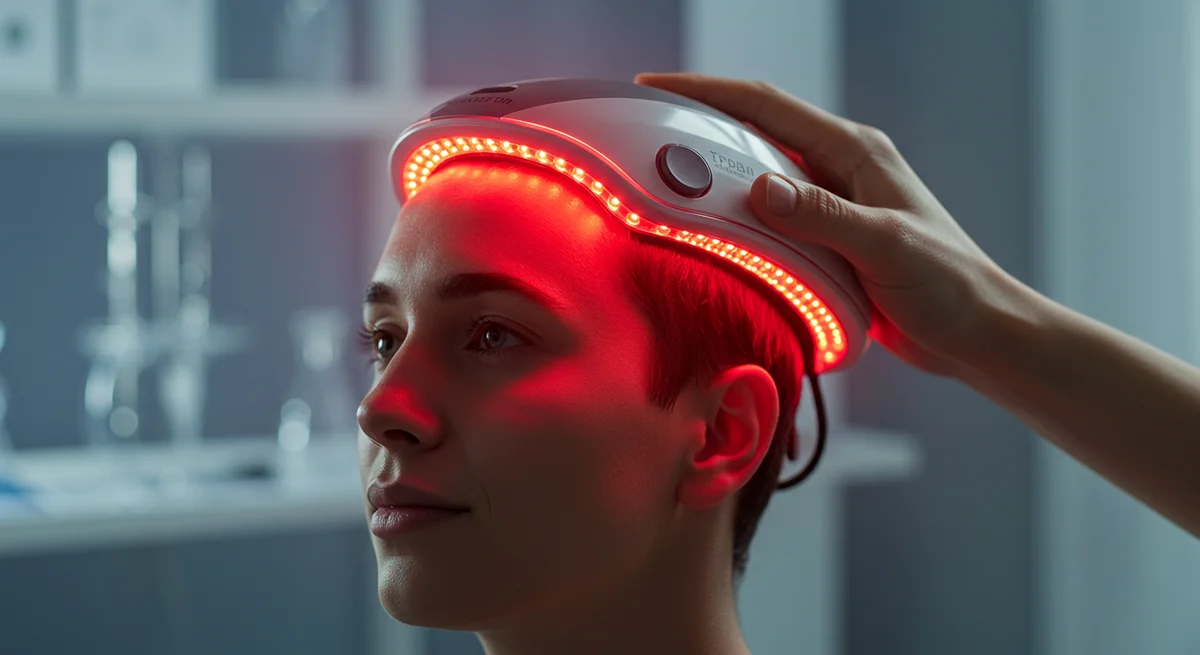
Interest in innovative approaches to neurological well-being continues to grow, and photobiomodulation (PBM) stands out as a promising field. This non-invasive technique utilizes specific wavelengths of light to stimulate cellular function, potentially offering significant benefits for brain health. NeuroBulletin.com recently delved into this subject, highlighting a discussion featuring Jordan Hamlin, an expert consulting for Neuronic, a company dedicated to helping individuals and healthcare providers comprehend and apply transcranial PBM (tPBM) for optimizing brain health and general wellness. This insightful conversation was hosted by Lori La Bey of Alzheimer’s Speaks, a prominent platform for neurological discourse.
PBM operates on the principle that specific light wavelengths can penetrate tissue and interact with cellular components, particularly mitochondria, to enhance metabolic processes and reduce inflammation. This interaction is believed to support cellular repair and regeneration, offering a novel avenue for improving brain function. The discussion explored fundamental questions surrounding this technology, such as its basic definition and the diverse applications of various light colors in therapy.
Transcranial PBM: A New Frontier in Neurological Support
The application of PBM directly to the brain, known as transcranial photobiomodulation (tPBM), is gaining traction for its potential in cognitive enhancement and neurological support. Experts like Jordan Hamlin detail how tPBM devices deliver light energy through the scalp and skull, reaching brain tissue where it can exert its therapeutic effects. The mechanism involves increasing cerebral blood flow, improving mitochondrial activity, and promoting neuroprotection, all of which are critical for maintaining robust brain health.
Key questions addressed during the expert exchange included how tPBM specifically contributes to brain health, moving beyond general wellness to targeted neurological benefits. The technology aims to optimize neural pathways and support overall cognitive vitality, making it a subject of considerable interest within the neuroscience community.
Tailored Light: Addressing Specific Brain Health Needs
One critical aspect of PBM involves understanding the nuances of different light wavelengths and their targeted applications. The conversation explored whether various colors of light therapy might focus on distinct brain regions or address particular conditions. While specific details on color targeting were not explicitly provided, the implication is that PBM protocols can be customized, leveraging different wavelengths to achieve desired physiological responses within the brain. This tailored approach suggests a future where light therapy could be precisely calibrated for individual needs.
A significant portion of the discourse centered on the scientific backing for tPBM, particularly concerning its utility in neurodegenerative conditions. While the expert discussion did not provide specific research citations, the inquiry itself underscores the critical demand for evidence-based applications in conditions like Alzheimer's disease. The scientific community is actively investigating how PBM can mitigate cellular damage and support neuronal health in the context of these challenging disorders.
Beyond Patients: PBM's Role in Caregiver Well-being
Recognizing the immense strain on individuals caring for those with neurological conditions, the discussion extended to the potential benefits of light therapy for caregivers. The inquiry into whether light therapy can support caregivers highlights a holistic view of brain health, acknowledging that stress and fatigue can significantly impact their well-being. Therapeutic interventions that enhance mood, sleep, and overall resilience could provide crucial support for this often-overlooked population.
The dialogue also touched upon important considerations regarding health conditions that should be evaluated before embarking on light therapy for brain health. This emphasis on individual health assessments ensures safety and efficacy, advising users to consult professionals to determine suitability and avoid potential contraindications.
Community Initiatives and Advocacy for Brain Health
The Alzheimer’s Speaks platform, hosted by Lori La Bey, serves as a vital resource for education and advocacy in the neurological health space. The platform offers a range of programs, including "Conscious Caregiving with L & L," a monthly initiative designed to facilitate difficult conversations, raise awareness, and provide essential resources. Other notable programs mentioned include "Echo’s Insights," offering firsthand perspectives on living with Alzheimer’s, and "Dementia Chats," which explores topics like adapting to brain change. The organization also runs the "Giver Of Hope" campaign, encouraging community support and engagement.
Alzheimer’s Speaks has garnered significant recognition for its contributions, including being honored by FeedSpot as one of the Best 20 Alzheimer’s Podcasts for 2025 and a Top Blog & Website. It also received accolades from Million Podcasts as a Top 10 Podcast. Furthermore, the platform highlights initiatives such as Maude’s Awards, which provides substantial financial grants—three annual $25,000 awards to organizations and up to five $5,000 awards to individuals—to those pioneering efforts in busting stigmas and highlighting possibilities in dementia care. Resources like the Dementia Map Global Resource Directory (dementiamap.com) are also promoted to connect individuals with essential services worldwide.
Latest Updates on this Story
The discourse around photobiomodulation for brain health is continuously evolving, with breaking news emerging from ongoing clinical trials and technological advancements. Researchers are actively publishing latest updates on the mechanisms and efficacy of tPBM in various neurological contexts, solidifying its place in current news about innovative therapies. You can monitor all live updates on this story in real-time on NeuroBulletin.com.
Related Topics
🔹 Photobiomodulation Therapy 🔹 Transcranial Light Therapy 🔹 Neurodegenerative Diseases 🔹 Caregiver Support 🔹 Brain Health Innovations 🔹 Alzheimer's Speaks Podcast 🔹 Neuronic Technology 🔹 Dementia Research
About NeuroBulletin News
NeuroBulletin.com is the leading independent resource for comprehensive and up-to-date information on neuroscience research, brain health, and neurological disorders. Our coverage spans groundbreaking scientific discoveries, clinical advancements, and practical insights for maintaining cognitive vitality. We are dedicated to providing meticulously edited, premium news articles that empower our readers with knowledge about the latest developments in brain science.
Frequently Asked Questions
What is photobiomodulation (PBM) and how does it relate to brain health?
Photobiomodulation is a non-invasive therapeutic technique utilizing specific wavelengths of light to stimulate cellular function. When applied to the brain (tPBM), it aims to enhance metabolic processes, reduce inflammation, and support neural repair, contributing to improved cognitive function and overall brain wellness.
How does transcranial PBM (tPBM) specifically support neurological conditions?
tPBM delivers light energy to brain tissue, which is believed to increase cerebral blood flow, boost mitochondrial activity, and offer neuroprotection. These actions can help mitigate cellular damage and support neuronal health, making it a promising area of research for neurodegenerative conditions.
Are there any health conditions that should be considered before using light therapy for brain health?
Yes, it is crucial to consult with a healthcare professional to assess individual health conditions before starting light therapy for brain health. This ensures the treatment is appropriate and safe, helping to avoid any potential contraindications or adverse effects.
What resources are available for caregivers and individuals interested in brain health and dementia?
Platforms like Alzheimer’s Speaks offer a wealth of resources, including educational podcasts, support programs like "Conscious Caregiving with L & L," and initiatives such as the Dementia Map Global Resource Directory. These resources aim to provide awareness, support, and practical information for those affected by neurological conditions.