Unlocking Alzheimer's: Scientists Discover Key Molecular 'Switch' Driving Destructive Brain Inflammation
Scripps Research scientists have identified a molecular 'switch' in the STING protein that fuels Alzheimer's brain inflammation. Blocking it shows promise for new therapies.
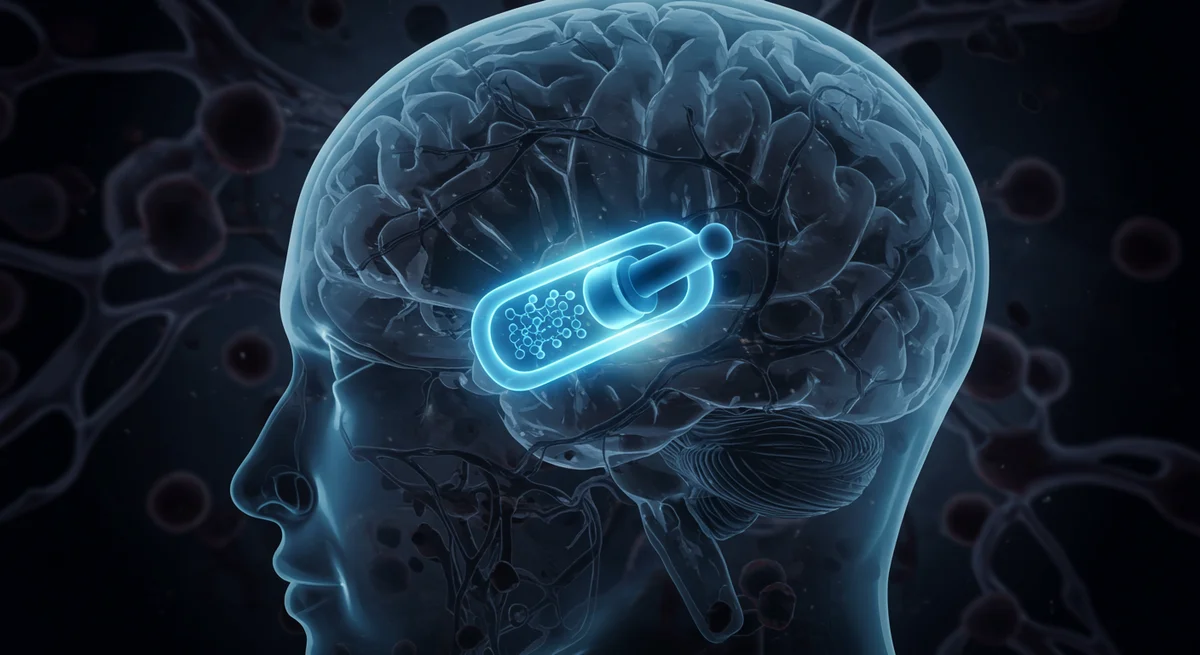
Groundbreaking research conducted at the Scripps Research Institute suggests a novel mechanism underlying Alzheimer's disease, with initial findings indicating that deactivating a specific molecular pathway could safeguard crucial neuronal integrity.
Investigators at Scripps Research have uncovered a pivotal molecular regulator that appears to exacerbate the detrimental neuroinflammation characteristic of Alzheimer's disease. Their work reveals a specific chemical alteration to a protein, identified as STING, which causes the brain's intrinsic immune response to remain in an overly active state, consequently harming essential synaptic connections.
The Brain's Immune System: A Double-Edged Sword
The central nervous system possesses an inherent defense mechanism, employing specialized immune cells to identify hazards and shield neurons. Nevertheless, accumulating data points to these immune cells entering a sustained state of chronic activation within the context of Alzheimer's. Instead of providing protection, they inadvertently contribute to a continuous inflammatory cascade that compromises intercellular communication.
These same Scripps Research scientists have now pinpointed a specific molecular pathway central to this detrimental process. Through their investigations utilizing both human Alzheimer's brain tissue and various experimental systems, the team uncovered a chemical modification capable of propelling the brain's immune system into an excessive response. This groundbreaking work, detailed in the journal *Cell Chemical Biology* in 2026, illuminates a compelling new avenue for therapeutic intervention against Alzheimer's disease.
S-Nitrosylation: Lipton's Decades-Old Discovery
The current investigation centers on the STING protein, which typically functions as a component of the body's primary alert system against pathogens and cellular stress. What the researchers observed was that within the context of Alzheimer's pathology, STING undergoes a specific chemical transformation termed S-nitrosylation—a process involving sulfur, oxygen, and nitrogen. This modification seemingly renders the protein hyperactive, thereby promoting deleterious inflammation.
Subsequent experimentation demonstrated a significant reduction in neuroinflammation when this precise chemical alteration was inhibited within an Alzheimer's mouse model.
Senior author Stuart Lipton, who holds the Step Family Foundation Endowed Chair at Scripps Research and is a practicing clinical neurologist, commented on the significance of this discovery: "This is a new and important therapeutic target for Alzheimer's disease." Dr. Lipton further expressed enthusiasm, stating, "It's exciting to see that blocking this switch in mice reduces inflammation and protects the very brain cell connections that are lost in Alzheimer's, especially because we found the same pathway to be activated in human Alzheimer's brain samples and in human stem cell-derived models."
Over three decades ago, Dr. Lipton originally identified the biochemical process known as S-nitrosylation. This particular reaction involves a nitric oxide (NO)-related molecule covalently binding to a cysteine amino acid residue within a protein, forming what researchers refer to as "SNO" and consequently modifying the protein's functional characteristics.
Prior investigations conducted by Lipton's team have established that this phenomenon can be initiated by various elements, such as the natural aging process, existing inflammatory conditions, and environmental factors like atmospheric pollutants and smoke from wildfires. When a substantial quantity of proteins undergoes this modification, the ensuing widespread disturbance, metaphorically termed a "SNO-STORM," can severely impede regular cellular operations. Scientists have previously correlated this specific biological mechanism with the pathogenesis of multiple illnesses, including various forms of cancer, Parkinson's disease, and Alzheimer's disease.
Pinpointing the Inflammatory Trigger
In the context of the present study, Lipton's research group strategically concentrated their efforts on the STING protein, given its established association with neuroinflammation in Alzheimer's from prior investigations.
Under the guidance of postdoctoral researcher Lauren Carnevale, the collaborative effort included Professor John Yates III of Scripps Research, a distinguished authority in mass spectrometry and the incumbent of the John Lytton Young Endowed Chair. Their combined expertise allowed them to precisely pinpoint the specific site on the STING protein where S-nitrosylation takes place.
Their detailed examination disclosed that this particular reaction selectively targets a distinct amino acid residue within the protein, specifically cysteine 148. Upon S-nitrosylation at this critical site, STING undergoes a conformational change, leading to its aggregation into larger macromolecular complexes that subsequently initiate potent inflammatory cascades.
The investigators observed significantly elevated concentrations of this modified form, referred to as SNO-STING, within postmortem brain samples obtained from individuals diagnosed with Alzheimer's. Furthermore, comparable heightened levels were documented in human brain immune cells cultured *in vitro* and subjected to Alzheimer's-associated proteins, in addition to being present in an animal model mimicking the disease.
Breaking the Cycle of Damage
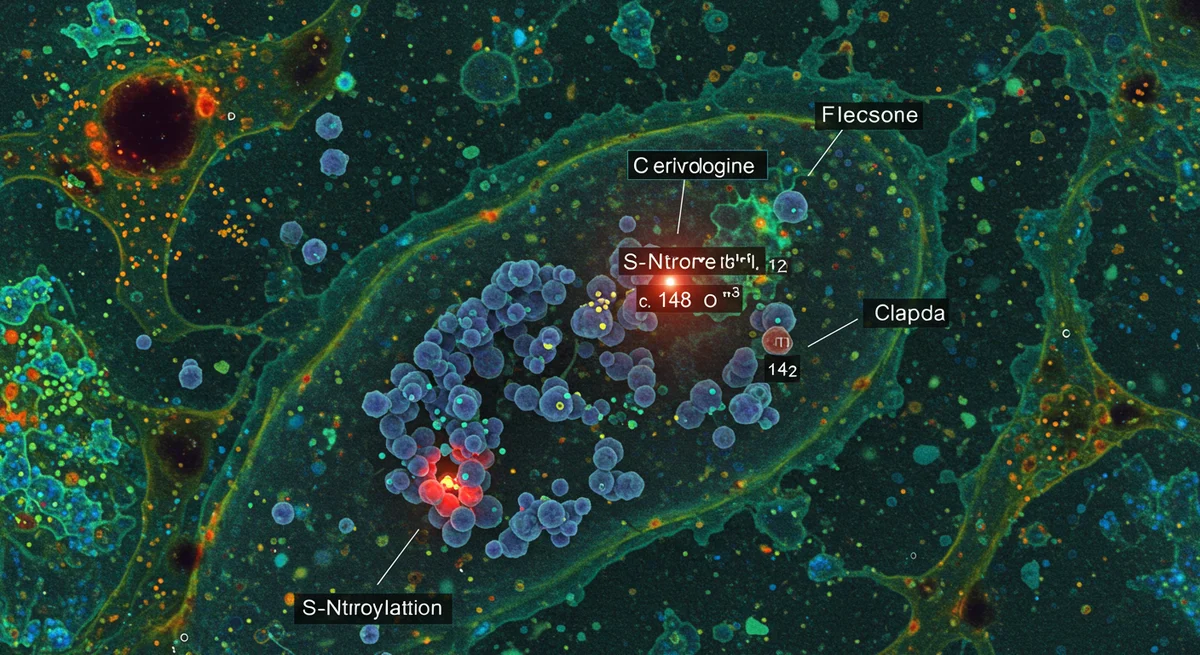
Moreover, the research collective ascertained that aggregated protein structures frequently implicated in Alzheimer's, such as amyloid-beta plaques and alpha-synuclein fibrils, possess the capacity to induce the S-nitrosylation of STING.
This critical observation implies the potential for inflammation to perpetuate itself within a vicious feedback loop. It is hypothesized that protein aggregates, in conjunction with advancing age and various environmental stressors, could instigate an inflammatory response that leads to the generation of nitric oxide. This nitric oxide, in turn, could then catalyze the S-nitrosylation of STING, thereby escalating inflammatory signaling and reinforcing the entire pathological cascade.
To ascertain the efficacy of disrupting this proposed cycle, the scientists meticulously engineered a variant of the STING protein deliberately lacking the cysteine 148 residue, rendering it impervious to S-nitrosylation.
Upon introducing this genetically altered protein into a mouse model exhibiting Alzheimer's characteristics, brain immune cells displayed significantly attenuated inflammatory markers. Crucially, the intricate synaptic connections between neurons were safeguarded from degradation. The maintenance of these vital connections is intimately correlated with mitigating the cognitive impairments typically observed in dementia.
A Targeted Therapeutic Strategy
Dr. Lipton highlighted the distinctive advantage of this therapeutic approach, stating, "What makes this target particularly promising is that we can quiet the pathological overactivation of STING without shutting down the normal immune response." He elaborated, "You still need STING to protect yourself from infections, and when we target cysteine 148, we're not blocking the entire molecule; we're just preventing STING from becoming overactivated."
The dedicated research group is currently engaged in the creation of small-molecule compounds specifically engineered to inhibit the cysteine 148 site, with intentions to advance these candidates into subsequent preclinical evaluation.
Beyond Dr. Lipton, Dr. Carnevale, and Professor Yates, the extensive list of contributors to the study, titled "Redox regulation of neuroinflammatory pathways contributes to damage in Alzheimer's disease brain," includes Piu Banerjee, Xu Zhang, Jazmin Navarro, Charlene K Raspur, Parth Patel, Tomohiro Nakamura, Emily Schahrer, Henry Scott, Nhi Lang, Jolene K. Diedrich, and Amanda J. Roberts, all affiliated with Scripps Research.
Financial backing for this significant undertaking was partially provided by multiple grants from the National Institutes of Health (R35 AG071734, U01 AG088679, RF1 AG057409, R01 AG078756, R01 AG056259, R01 DA048882, DP1 DA041722, and R01 AG077046), alongside support from the U.S. Department of Defense and the U.S. Department of the Army (AR230101).
Latest Updates on this Story
The ongoing investigation into Alzheimer's disease mechanisms continues to be a focal point in medical research. This breaking news highlights a significant advancement in understanding neuroinflammation, a key aspect of the condition. As researchers delve deeper into this critical pathway, live coverage of new findings will be essential. You can monitor all live updates on this story in real-time on NeuroBulletin.com.
Related Topics
🔹 Alzheimer's Disease 🔹 Neuroinflammation 🔹 STING Protein 🔹 S-nitrosylation 🔹 Dementia Research 🔹 Molecular Targets 🔹 Brain Health 🔹 Drug Discovery
About NeuroBulletin News
NeuroBulletin.com is dedicated to delivering the most current and comprehensive research news in neuroscience and brain health. Our coverage spans groundbreaking discoveries, clinical trials, and therapeutic advancements for neurological conditions worldwide, serving as the leading independent resource in this vital field.
Frequently Asked Questions
What is the main discovery made by Scripps Research scientists?
The scientists at Scripps Research identified a molecular "switch" involving the STING protein that drives brain inflammation in Alzheimer's disease. They found that a specific chemical modification to STING, called S-nitrosylation, causes the brain's immune system to become overactive and damage nerve connections.
How does the STING protein contribute to Alzheimer's disease?
Normally, STING is part of the body's immune defense. However, in Alzheimer's, it undergoes S-nitrosylation at cysteine 148, leading to its excessive activation. This overactivated STING forms large complexes that trigger harmful, chronic inflammation, damaging the essential connections between brain cells.
What is S-nitrosylation, and why is it important in this context?
S-nitrosylation is a biochemical process where a nitric oxide-related molecule attaches to a cysteine amino acid in a protein, altering its function. In this study, S-nitrosylation of STING at cysteine 148 is critical because it hyperactivates the protein, initiating a cycle of destructive brain inflammation in Alzheimer's.
What is the potential therapeutic implication of this research?
This research points to a promising new therapeutic strategy: specifically targeting and blocking the S-nitrosylation of STING at cysteine 148. This approach could reduce pathological inflammation without shutting down the entire immune system, offering a precise way to protect brain connections and potentially slow or halt cognitive decline.