Caffeine Unlocks Sleep-Deprived Brain's Memory: NUS Medicine Study Reveals Targeted Cognitive Reversal
Groundbreaking research from NUS Medicine shows caffeine can specifically reverse social memory deficits caused by sleep deprivation, targeting a key brain circuit.
Caffeine's Unexpected Role in Restoring Social Memory After Sleep Loss
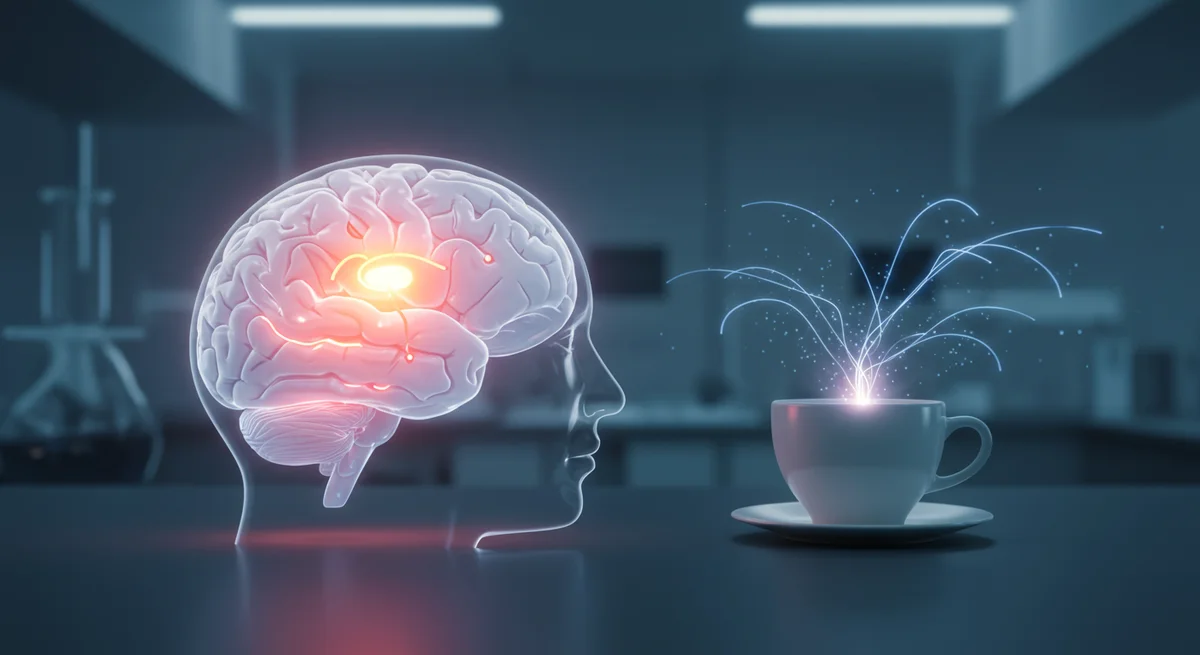
Singapore – A recent study by scientists at the National University of Singapore's (NUS) Yong Loo Lin School of Medicine has unveiled a surprising capacity for caffeine: it can mend specific memory impairments stemming from insufficient sleep. The investigation determined that sleep deprivation compromises a crucial brain network essential for recognizing familiar individuals, a function known as social memory. Importantly, laboratory experiments demonstrated that caffeine successfully reinstated neuronal communication within this affected pathway, effectively reversing the memory setbacks induced by sleep loss. This restorative effect was notably precise, enabling the compromised circuit to recover without excessively stimulating other normal brain operations.
The findings, which appear in the journal *Neuropsychopharmacology*, shed new light on the mechanisms through which a lack of sleep impacts the brain. This research also suggests that the therapeutic advantages of caffeine might extend beyond its well-known ability to boost alertness.
The Hippocampal CA2 Region: A Hub for Social Recognition
The research team, spearheaded by Associate Professor Sreedharan Sajikumar and Dr. Lik-Wei Wong, the lead author from NUS Medicine's Department of Physiology and the Healthy Longevity Translational Research Program, zeroed in on the hippocampal CA2 region. While the hippocampus is widely recognized for its vital role in learning and memory, the CA2 area holds particular significance for the formation of social memories. This specific brain area also processes signals that govern the body's sleep-wake cycles, highlighting its central role in cognitive function linked to rest.
To thoroughly examine the consequences of sleep deprivation, the researchers subjected laboratory animals to a period of five hours without sleep. Following this, the animals were given unrestricted access to caffeine mixed into their drinking water for a duration of seven days.
Unraveling Sleep Deprivation's Neural Impact
Caffeine functions as a stimulant by inhibiting the signaling pathways of adenosine receptors. Adenosine is a natural compound that builds up in the brain during periods of wakefulness, and its increasing concentration contributes to a reduction in brain activity, leading to feelings of fatigue and a desire for sleep.
The scientists then conducted electrophysiological recordings on samples of hippocampal tissue. This technique allowed them to evaluate synaptic plasticity, which is the brain's inherent ability to modify the strength of connections between nerve cells in response to learning and experience. The results were clear: sleep deprivation profoundly disrupted the maintenance of synaptic plasticity within the CA2 region. The communication efficiency between neurons diminished, thereby reducing the brain's capacity to reinforce critical neural connections. These cellular alterations directly corresponded with observable deficits in social recognition memory, impacting the ability to identify familiar social cues.
Collectively, the study's conclusions indicated that sleep loss impaired both cerebral function and behavioral performance through the disruption of a distinct neural circuit.
Reversing Cognitive Deficits with Precision
Crucially, the investigators observed that when caffeine was administered *before* sleep deprivation, it successfully restored synaptic communication within the CA2 region, bringing plasticity back to its normal state. As a direct consequence, the social memory impairments previously induced by sleep loss were reversed. An important aspect of these findings was the highly selective nature of caffeine's effects. Instead of causing a widespread increase in brain activity, caffeine precisely targeted and repaired the compromised pathway specifically associated with social memory.
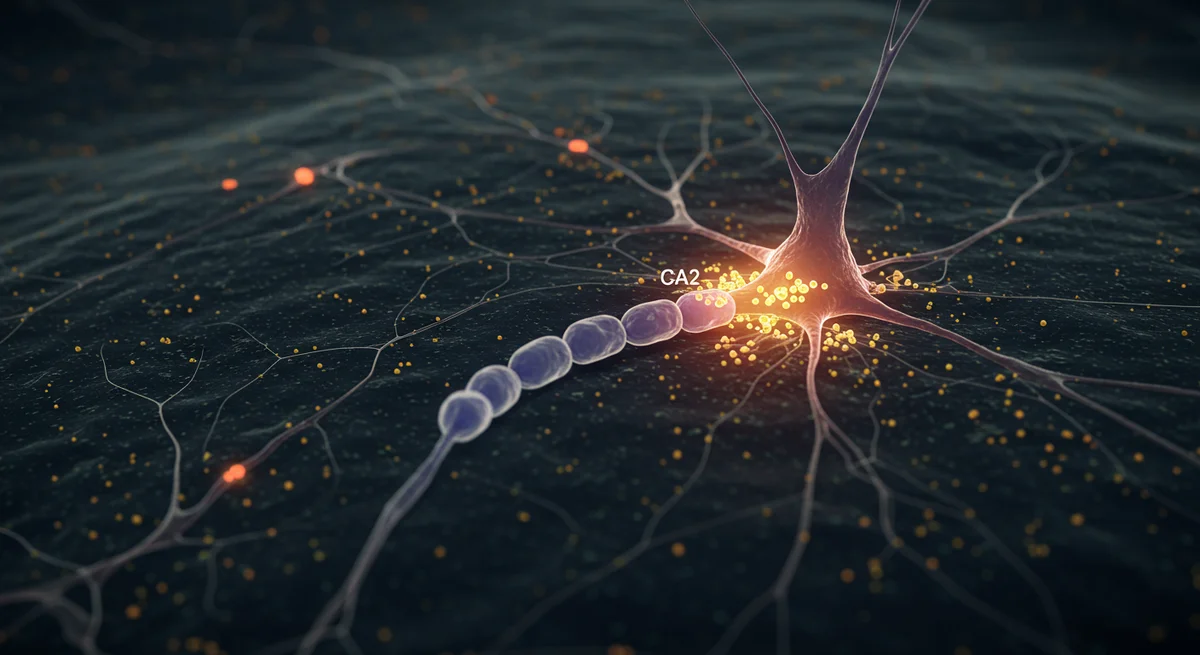
This targeted mechanism meant that control group animals, which had not experienced sleep deprivation but still received caffeine, did not exhibit signs of excessive neural stimulation. This underscores caffeine's precise action on the affected circuits rather than a general excitatory effect.
“Sleep deprivation does not just make you tired. It selectively disrupts important memory circuits,” stated Dr. Wong. “We found that caffeine can reverse these disruptions at both the molecular and behavioral levels. Its ability to do so suggests that caffeine’s benefits may extend beyond simply helping us stay awake.”
Associate Professor Sajikumar further elaborated, “Our findings position the CA2 region as a critical hub linking sleep and social memory. This research enhances our understanding towards the biological mechanisms underlying sleep-related cognitive decline. This could inform future approaches to preserving cognitive performance.”
Pioneering Insights for Brain Health Interventions
The study underscores the indispensable role of adequate sleep in sustaining robust cognitive function and memory. By demonstrating that caffeine can specifically rejuvenate neural pathways compromised by sleep deprivation, the research offers promising new avenues for developing targeted interventions to counteract cognitive decline. The research team intends to pursue further investigations into how caffeine influences the processes of memory consolidation and retrieval. Future studies are also planned to employ precise manipulations of brain circuits, aiming to achieve a deeper understanding of the causal relationships between neural pathways and memory function.
Materials for this report were furnished by the National University of Singapore, Yong Loo Lin School of Medicine. The full research paper, “Caffeine reverses sleep deprivation-induced synaptic and social memory deficits via adenosine receptor modulation in the male mouse hippocampal CA2 region” by Lik-Wei Wong, Mohammad Zaki Bin Ibrahim, Aiswaria Lekshmi Kannan, and Sreedharan Sajikumar, was published in *Neuropsychopharmacology* on May 30, 2026, with the DOI: 10.1038/s41386-026-02362-w.
Latest Updates on this Story
In breaking news surrounding brain health and cognition, the implications of this study are continuing to be explored by researchers worldwide. Scientists are now investigating how these findings might translate to human applications and potential pharmaceutical developments, representing significant current news in the field. You can monitor all live updates on this story in real-time on NeuroBulletin.com.
Related Topics
🔹 Sleep Deprivation Effects 🔹 Social Memory Research 🔹 Hippocampal CA2 Function 🔹 Caffeine's Neurological Impact 🔹 Cognitive Decline Prevention 🔹 Adenosine Receptor Modulation 🔹 Synaptic Plasticity 🔹 Brain Health Research Singapore
About NeuroBulletin News
NeuroBulletin.com delivers authoritative coverage of the latest advancements in neuroscience research and brain health. Our reporting spans groundbreaking studies, clinical trials, and emerging therapies, providing a comprehensive resource for professionals and the public alike. We are committed to being the leading independent platform for insights into the brain's complexities and its role in overall well-being.
Frequently Asked Questions
What specific type of memory did caffeine help restore in the study?
Caffeine was found to restore social memory, which is the ability to recognize and distinguish familiar individuals, a function often impaired by sleep deprivation.
How does sleep deprivation affect the brain's memory circuits?
Sleep deprivation disrupts synaptic plasticity, specifically in the hippocampal CA2 region, weakening communication between neurons and impairing the brain's capacity to form and maintain strong neural connections essential for social memory.
What is caffeine's mechanism of action in reversing memory deficits?
Caffeine acts by blocking adenosine receptor signaling pathways. By doing so, it helps restore synaptic communication and plasticity in the hippocampal CA2 region, which was disrupted by sleep loss, thereby reversing memory deficits.
Were caffeine's effects widespread or targeted?
Caffeine's effects were highly targeted, specifically restoring the disrupted pathway linked to social memory in the hippocampal CA2 region. It did not cause excessive neural stimulation in animals that were not sleep-deprived.