Decoding Alzheimer's: Researchers Pinpoint DAPK1 as a Master Regulator of Tau Pathology, Opening New Therapeutic Doors
Groundbreaking research published in Molecular Neurodegeneration reveals DAPK1's role in tauopathy, linking its activity to cognitive decline and identifying a new therapeutic target.

Unraveling Tauopathy's Molecular Mechanisms
A pivotal new study published in *Molecular Neurodegeneration* illuminates a complex molecular pathway central to tauopathies, a group of neurodegenerative diseases characterized by the abnormal aggregation of tau protein, most notably Alzheimer's disease. The research, appearing in Volume 20, article number 121 (2025), identifies a critical role for Death-associated protein kinase 1 (DAPK1) in exacerbating tau pathology and subsequent cognitive impairment, offering a novel target for therapeutic intervention.
Accumulating scientific data suggests a pivotal role for tau protein SUMOylation in destabilizing the delicate balance of tau, an essential neuronal protein. Previously, studies have indicated that Death-associated protein kinase 1, or DAPK1, influences the phosphorylation state and subsequent buildup of tau protein. The enzyme sentrin-specific protease 1 (SENP1) holds significance for protein SUMOylation and has been considered a potential target for DAPK1's actions. However, the precise role of DAPK1 in regulating tau SUMOylation and protein homeostasis through its interaction with SENP1 has remained an area of scientific inquiry.
The Central Role of DAPK1 in Neuronal Pathology
This investigative effort sought to clarify the intricate relationship between DAPK1, SENP1, and tau protein. Researchers utilized an array of advanced biochemical techniques, initially pinpointing the phosphorylation of SENP1 by DAPK1 through both *in vitro* kinase assays and sophisticated mass spectrometry analysis. This crucial first step established a direct molecular interaction.
To understand the broader biological implications, the team then investigated DAPK1's impact on SENP1 expression, as well as tau SUMOylation and phosphorylation. These investigations were conducted within a specialized mouse model designed to mimic tauopathy, achieved by overexpressing human tau in the hippocampal CA3 region – a brain area critical for memory formation. Furthermore, the study extended its scope to human Alzheimer's disease (AD) brain tissues, providing direct translational relevance. To assess the functional consequences of DAPK1 activity, its genetic removal or pharmacological inhibition was employed to evaluate its effect on pathologies associated with tau accumulation, including synaptic dysfunction and the reactive proliferation of glial cells (gliosis).
Deciphering the DAPK1-SENP1-Tau Interaction
The findings meticulously detail that DAPK1 forms a direct physical association with SENP1 and subsequently phosphorylates it. This phosphorylation event triggers the degradation of SENP1 through the ubiquitin-proteasome pathway, a cellular mechanism for disposing of unwanted proteins. Consequently, DAPK1 actively promotes tau SUMOylation by reducing SENP1 levels within neurons. This discovery is significant because it links DAPK1 activity directly to the molecular modification of tau.
Crucially, the research demonstrated that either reducing DAPK1 expression or pharmacologically blocking its activity led to a restoration of SENP1 levels. This, in turn, resulted in a decrease in tau SUMOylation. The beneficial effects extended further, manifesting as a reduction in aberrant tau phosphorylation and accumulation. Ultimately, these molecular improvements translated into enhanced cognitive abilities observed *in vivo* in the mouse models. Supporting these experimental outcomes, the study also revealed a negative correlation between DAPK1 expression and SENP1 levels in hippocampal tissues obtained from human AD patients, underscoring the clinical relevance of the findings.
Paving the Way for Novel Therapeutic Strategies
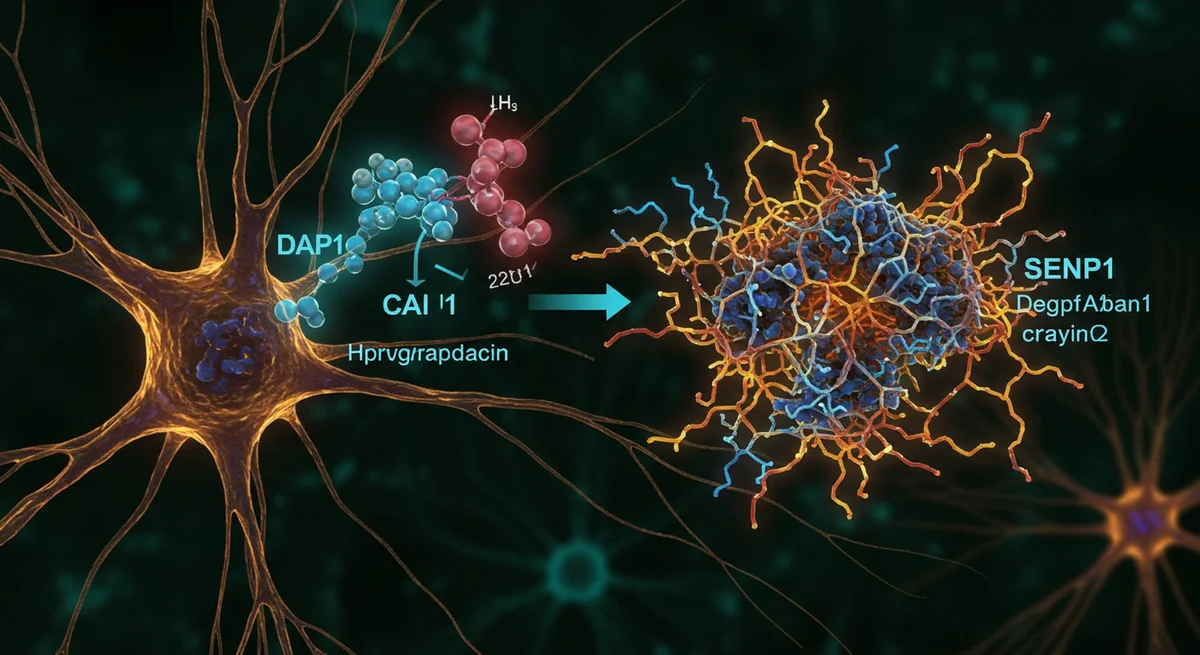
The collective evidence from this comprehensive study strongly indicates that the DAPK1-mediated phosphorylation and degradation of SENP1 are pivotal in advancing tau SUMOylation, thereby intensifying tau pathology and contributing significantly to cognitive impairment in tauopathies. The research team emphasizes that the identified DAPK1-SENP1-tau SUMOylation axis represents a critical regulatory pathway governing tau homeostasis – the balance of tau protein within cells.
This breakthrough establishes DAPK1 inhibition as a highly promising therapeutic avenue for addressing Alzheimer's disease and other related tauopathies. By targeting DAPK1, scientists may be able to restore SENP1 levels, reduce harmful tau modifications, and potentially prevent or reverse the cognitive decline associated with these devastating conditions. This work represents a significant step forward in understanding the fundamental mechanisms of neurodegeneration and offers renewed hope for developing effective treatments.
Latest Updates on this Story
Ongoing research continues to explore the DAPK1-SENP1-tau axis, with scientists actively pursuing potential therapeutic compounds that can safely and effectively inhibit DAPK1. These breaking news developments are crucial for translating laboratory findings into clinical applications, offering hope for future treatments for Alzheimer's and other tauopathies. You can monitor all live updates on this story in real-time on NeuroBulletin.com.
Related Topics
🔹 Tauopathy Research 🔹 Alzheimer's Disease Mechanisms 🔹 DAPK1 Signaling Pathway 🔹 Protein SUMOylation 🔹 Neurodegeneration Treatments 🔹 Cognitive Dysfunction 🔹 Hippocampal Pathology 🔹 Molecular Neuroscience
About NeuroBulletin News
NeuroBulletin.com stands as the leading independent resource for cutting-edge developments in neuroscience and brain health. Our comprehensive coverage of treatments, diagnostics, and fundamental research provides professionals and enthusiasts with objective, premium news and in-depth analysis. We are committed to delivering the most current and impactful stories from the forefront of brain science.
Frequently Asked Questions
What is tauopathy and how does it relate to Alzheimer's disease?
Tauopathy refers to a class of neurodegenerative diseases characterized by the abnormal aggregation of tau protein in the brain. Alzheimer's disease is the most common form of tauopathy, where tau proteins form neurofibrillary tangles, contributing to neuronal dysfunction and cognitive decline.
How does DAPK1 contribute to cognitive decline in tauopathies?
The study reveals that Death-associated protein kinase 1 (DAPK1) phosphorylates and degrades SENP1, an enzyme critical for reversing tau SUMOylation. This degradation leads to increased tau SUMOylation and subsequent accumulation of aberrant tau, which directly impairs cognitive functions.
What is the significance of DAPK1 inhibition as a therapeutic strategy?
Inhibiting DAPK1 could prevent the degradation of SENP1, thereby reducing harmful tau SUMOylation and accumulation. This approach offers a promising new target to attenuate tau pathology, potentially restoring neuronal health and improving cognitive abilities in patients with Alzheimer's and related tauopathies.
Where was this groundbreaking research published?
This significant research was published in *Molecular Neurodegeneration*, a highly respected scientific journal. The specific article can be found in Volume 20, article number 121, published in the year 2025.