Shingles Vaccine Linked to Significant Dementia Risk Reduction in Nursing Home Patients
A new study reveals that the Shingrix vaccine may lower dementia risk by 24% among older adults in skilled-nursing facilities.
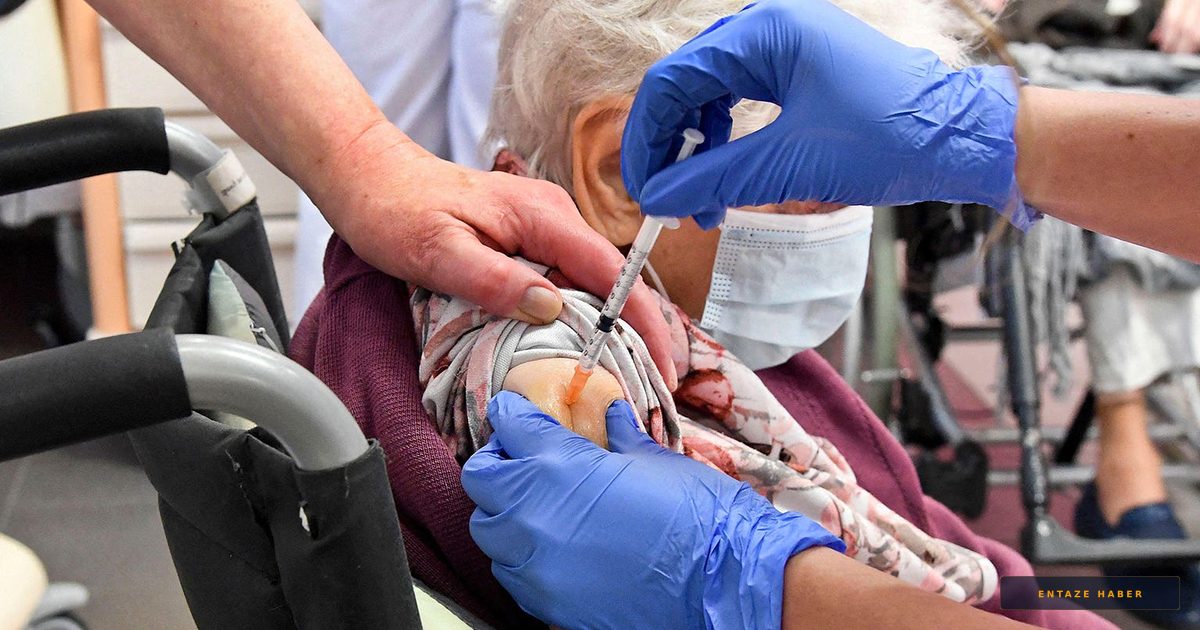
A Potential Shield Against Cognitive Decline
New medical findings indicate that receiving the recombinant zoster vaccine, commonly known as Shingrix, offers more than just protection against shingles. A massive cohort study involving 500,000 residents in skilled-nursing facilities across the United States suggests that this vaccination is tied to a 24% lower risk of receiving a dementia diagnosis over a four-year period. These results, published in the *Annals of Internal Medicine*, provide a glimmer of hope for high-risk populations who have historically been excluded from clinical trials.

Unpacking the Research Methodology
Led by Kaleen Hayes, PharmD, PhD, of the Brown University School of Public Health, the team utilized target trial emulation to track Medicare fee-for-service beneficiaries aged 66 and older. By monitoring participants admitted to long-term or post-acute care between 2017 and 2022, the researchers identified a clear disparity between vaccinated and unvaccinated groups. Specifically, the cumulative four-year risk of dementia sat at 18.8% for those who received at least one dose of the vaccine, compared to 24.6% for those who remained unvaccinated. This 5.81 percentage point difference highlights a meaningful shift in health outcomes for a vulnerable demographic.

Why Might the Vaccine Protect the Brain?
While the exact biological mechanisms remain a subject of investigation, researchers point to several compelling theories. Shingles infections are known to trigger significant neuroinflammation and heighten the risk of stroke, both of which are established precursors to cognitive decline. By preventing the viral infection, the vaccine may indirectly preserve neurological health. Furthermore, some scientists propose that the adjuvant within the Shingrix vaccine—a component that boosts immune system response—could play a direct role in protecting the brain. Dr. Hayes notes that while the findings are promising, they do not establish a definitive cause-and-effect relationship, and further exploration into the systemic effects of immune activation is necessary.
Addressing Vaccination Gaps in Care Facilities
Despite the clear potential benefits, the study highlights a concerning trend: low vaccination uptake among those who need it most. Only 1.73% of the study cohort received at least one vaccine dose within the first year of their facility admission. Dr. Hayes emphasizes that these individuals are at heightened risk for both shingles and dementia, making it critical to prioritize immunization efforts in clinical settings. The data suggests that the protective association holds true across various groups, though it appeared slightly stronger in women than in men. As the medical community continues to refine its understanding of long-term health, these insights underscore the importance of preventative care for aging populations.
Recent Developments
Medical researchers are currently reviewing the latest updates regarding vaccine efficacy in elderly populations as part of recent breaking news in geriatric health. These findings serve as essential live news for healthcare providers looking to optimize patient care plans in long-term facilities. You can follow all developments instantly on NeuroBulletin.com.
Related Topics
🔹 Dementia Prevention 🔹 Shingles Vaccination 🔹 Geriatric Healthcare 🔹 Cognitive Decline 🔹 Immunology Research 🔹 Nursing Home Care 🔹 Public Health Policy
Treatments News
Our treatments category provides the latest updates on medical breakthroughs and therapeutic interventions. We track breaking news and live clinical data to ensure you are informed about the most effective strategies for managing aging-related conditions, exclusively on NeuroBulletin.com.
Frequently Asked Questions
Can the shingles vaccine actually prevent dementia?
While the study shows a strong correlation between receiving the Shingrix vaccine and a 24% lower risk of dementia, it does not definitively prove that the vaccine directly prevents the disease. Researchers suggest the protection may come from reducing neuroinflammation caused by shingles or from the immune-boosting effects of the vaccine.
Who should consider getting the shingles vaccine?
The CDC recommends the shingles vaccine for all healthy adults aged 50 and older, as well as individuals 19 and older who have compromised immune systems. This study highlights that even individuals in long-term care facilities, who are at higher risk, should prioritize receiving the vaccine.
Does the vaccine work equally well for everyone?
The study indicated that the association between the vaccine and lower dementia risk was slightly stronger in women than in men. Additionally, the protective effect was somewhat lower in individuals who had previously received the older, live-attenuated zoster vaccine.