Parkinson’s Breakthrough: Why Mouse Models May Miss the Mark on LRRK2 Inflammation
New research reveals critical differences between human and mouse LRRK2 regulation, challenging current Parkinson's disease modeling strategies.
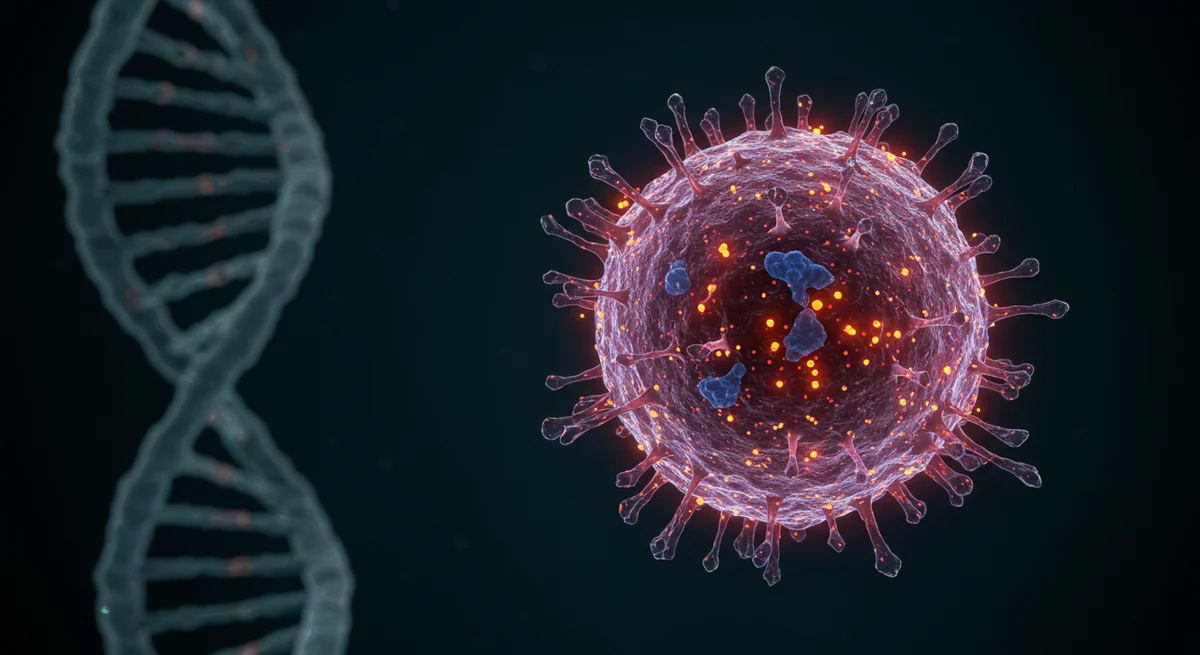
Evolutionary Divergence in Parkinson’s Risk
Recent findings published on March 18, 2026, in the journal *Molecular Neurodegeneration* (Volume 21, article 24) have unveiled a significant hurdle in Parkinson’s disease (PD) research. The study highlights that the Leucine-rich repeat kinase 2 (LRRK2) gene—a primary genetic driver of PD—responds to inflammatory signals in fundamentally different ways between humans and mice. This discovery suggests that decades of preclinical research relying on mouse models may have overlooked essential regulatory mechanisms specific to anthropoid primates.
Interferon-ɣ and the LRRK2 Activation Pathway
In human induced pluripotent stem cell (iPSC)-derived microglia, researchers observed that exposure to interferon-ɣ triggers a powerful activation of the LRRK2 pathway. This process involves the Janus-activated Kinase complex, which initiates the phosphorylation of STAT1. Once activated, STAT1 binds directly to the LRRK2 promoter, reshaping the chromatin structure to increase gene expression. Further investigations using acutely cultured human brain slices confirmed that this inflammatory response is not merely a cell-culture artifact but a consistent feature of human neurological tissue.
The Genetic Barrier to Animal Modeling
Perhaps the most striking outcome of this research is the inability to replicate this inflammatory induction in standard mouse brains. Even when scientists attempted to trigger the same LRRK2 mRNA increase in mice, the results remained negative. However, when a human bacterial artificial chromosome transgene was introduced into the mouse genome, the microglial cells regained their sensitivity to interferon-ɣ. This proves that the regulatory regions governing LRRK2 are distinctively human-centric, rooted in evolutionary changes that occurred in anthropoid primates.
Rethinking Disease Models
These findings serve as a stark warning to the scientific community regarding the limitations of cross-species disease modeling. Because LRRK2 expression is heavily influenced by immune-related inflammatory pathways, the species-specific differences in chromatin accessibility mean that mouse models may fail to capture the full spectrum of PD pathogenesis. Moving forward, researchers must integrate these human-specific regulatory insights to create more accurate representations of Parkinson’s disease, particularly when investigating therapies targeting the LRRK2 kinase.
Recent Developments
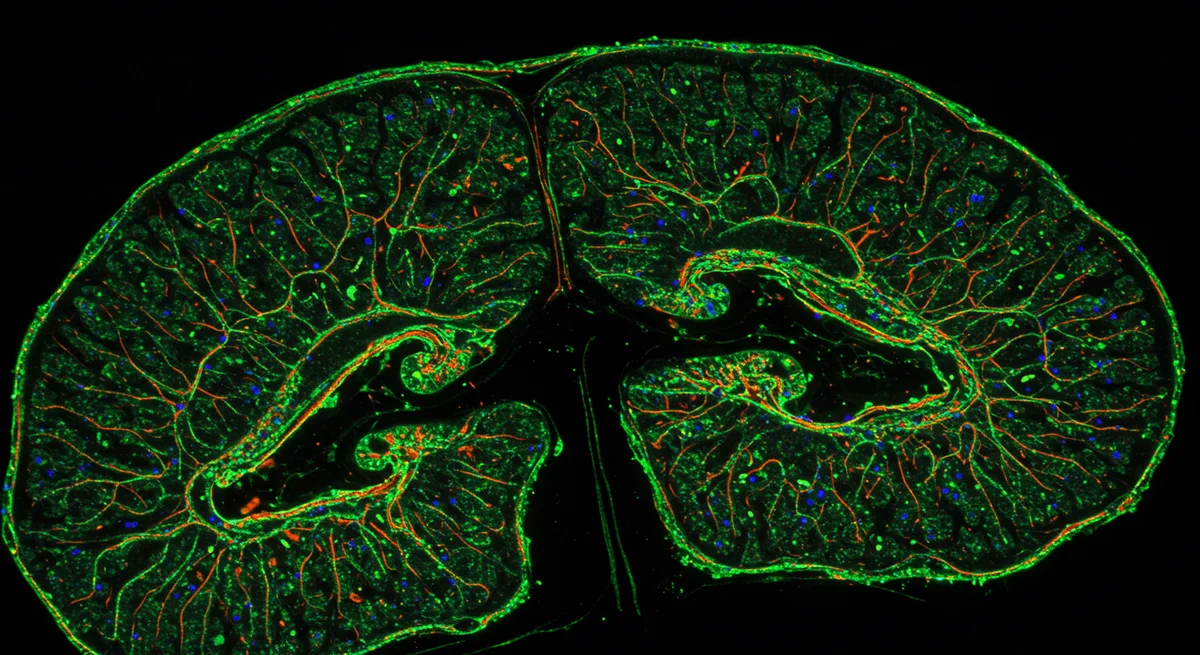
Scientists are currently working to refine how we model neurodegenerative conditions by incorporating these latest updates regarding genetic regulation. This breaking news underscores the importance of human-specific data in the ongoing search for effective therapies. You can follow all developments instantly on NeuroBulletin.com.
Related Topics
🔹 Parkinson's Disease Research 🔹 LRRK2 Kinase Activity 🔹 Neuroinflammation 🔹 Genomic Regulation 🔹 Human iPSC Models 🔹 Microglial Activation 🔹 Translational Neuroscience
Treatments News
This category focuses on the latest breakthroughs and live updates in clinical and preclinical therapeutic interventions. NeuroBulletin.com provides breaking news on how novel discoveries, such as gene-specific regulatory mechanisms, are shaping the future of medicine.
Frequently Asked Questions
Why is the LRRK2 gene significant in Parkinson’s disease?
LRRK2 is a highly pleiotropic gene where specific mutations lead to increased kinase activity, which is a known risk factor for developing Parkinson’s disease. Understanding its regulation is essential for developing drugs that can modulate its effects.
Why do mice not respond to inflammation in the same way as humans regarding LRRK2?
Research indicates that humans possess specific regulatory regions upstream of the LRRK2 gene that evolved in anthropoid primates. Mice lack these specific genomic sequences, which prevents them from reacting to interferon-ɣ in the same manner as human microglia.
How does this discovery affect future Parkinson’s research?
Scientists must now account for these evolutionary differences when designing experiments to ensure that findings translate effectively from animal models to human patients. This may necessitate a shift toward using human-derived cell models for more reliable drug testing.