Long-Term Brain Damage: Ebola Survivors Face Neurological Hurdles Decades Later
New research reveals that Ebola survivors continue to experience memory loss and cognitive issues more than seven years after their initial infection.
Lingering Neurological Shadows of Ebola
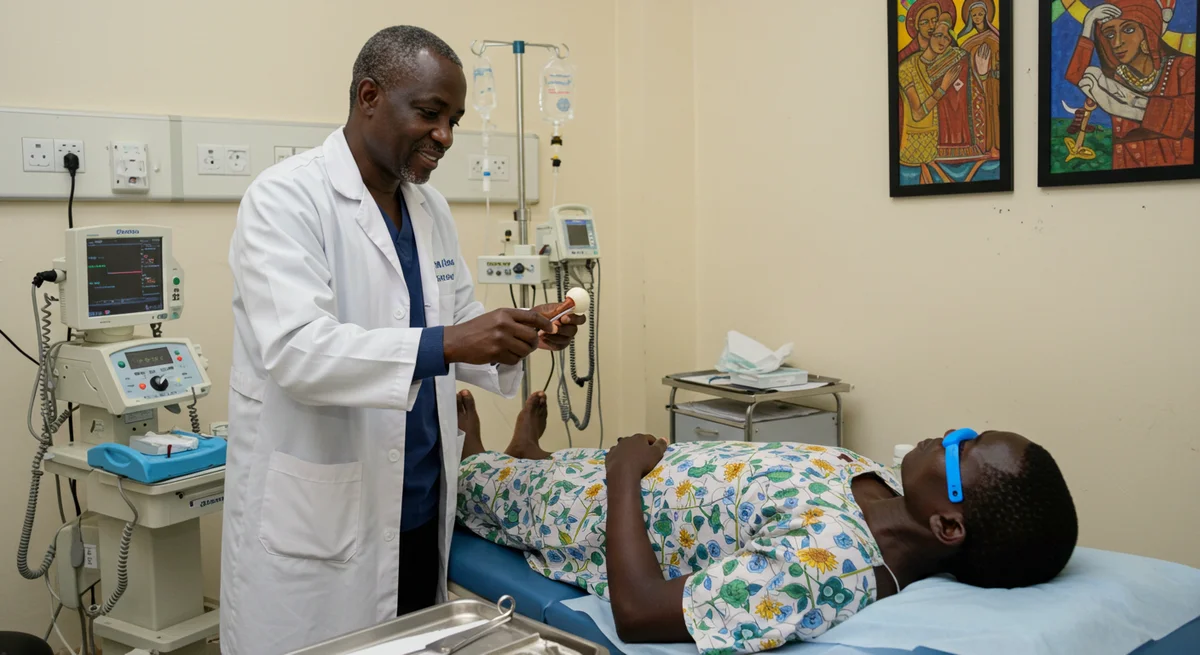
More than seven years after the devastating 2014-2016 Ebola epidemic in West Africa, survivors are still grappling with persistent neurological deficits. A long-term study, known as PREVAIL III, reveals that those who survived the virus face significantly higher rates of memory loss, irritability, and difficulty concentrating compared to those who never contracted the disease. While many initial symptoms of the acute infection—such as headaches and altered mental status—have faded, the long-tail effects on the brain remain a major health concern.
Dr. Bridgette Jeanne Billioux of the National Institute of Neurological Disorders and Stroke (NINDS) led the investigation, which tracked survivors and their close contacts to measure the lasting impact on the central nervous system. The data, published in JAMA Neurology, indicates that even years after recovery, survivors report cognitive impairment at rates of 57.4% for memory loss, compared to just 26.2% in the control group.
The Mechanism of Viral Persistence
Experts remain focused on how the Ebola virus manages to compromise brain health long after the patient has cleared the initial infection. Dr. Billioux suggests that the virus, which is broadly tropic, may infiltrate the brain by hijacking immune cells like macrophages and dendritic cells. Because these cells naturally circulate throughout the body and have the capacity to cross the blood-brain barrier, they may act as a Trojan horse, carrying the virus into the central nervous system.
Historically, concerns about viral persistence were validated by extreme cases, such as a 2016 report of a nurse who developed severe meningoencephalitis nine months after her recovery. While most physical manifestations improve over time, the study emphasizes that the neurological sequelae—which span sleep disturbances, depression, and tremors—require ongoing clinical attention. Although the current outbreak involves the Bundibugyo species, researchers believe the neurological outcomes will mirror those observed in the West African cohort.
Clinical Implications for Future Outbreaks
Between 2015 and 2023, the PREVAIL III study conducted rigorous testing on 148 survivors and 81 controls at the John F. Kennedy Medical Center in Monrovia. By utilizing standardized neurological examination scores, clinicians were able to map the trajectory of patient recovery. While baseline scores showed a significant disparity between survivors and their peers, the long-term data suggests that with appropriate support, many of these neurological complications are manageable.
Healthcare providers must prioritize long-term surveillance for all Ebola survivors, regardless of the viral species involved. Because these post-infectious issues carry heavy socioeconomic consequences, early intervention and consistent medical follow-up are essential to improving the quality of life for those affected by this recurring public health threat.
Recent Developments
Medical researchers are currently reviewing the latest updates regarding long-term post-viral syndromes to better support survivors of hemorrhagic fevers. This breaking news highlights the critical need for integrated neurological care in regions prone to outbreaks, as live news reports from the field continue to underscore the long-term burden on survivors. You can follow all developments instantly on NeuroBulletin.com.
Related Topics
🔹 Ebola Virus 🔹 Neurology 🔹 Public Health 🔹 Infectious Disease 🔹 Cognitive Health 🔹 Medical Research
Treatments News
This category covers the latest clinical findings and therapeutic advancements in managing complex infectious diseases. We provide breaking news and live updates on how medical teams address the lasting consequences of viral outbreaks, ensuring our readers stay informed via NeuroBulletin.com.
Frequently Asked Questions
What are the most common neurological symptoms in Ebola survivors?
Survivors most frequently report chronic memory loss, irritability, and difficulty concentrating. Other documented issues include persistent headaches, sleep abnormalities, and depression.
Can the Ebola virus enter the brain directly?
Researchers believe the virus may use macrophages and dendritic cells as a vehicle to cross the blood-brain barrier. These cells travel throughout the body and potentially carry the pathogen into the central nervous system.
Are these neurological problems permanent?
Many neurological findings show improvement over time with the right support. However, ongoing medical assessment is vital because some symptoms persist for years and require targeted treatment.