Huntington’s Disease Breakthrough: New Cellular Map Reveals How Brain Cells Fail Over Time
Scientists have created a temporal single-cell atlas for Huntington's disease, identifying specific molecular stages of corticostriatal dysfunction.
Mapping the Progression of Huntington's
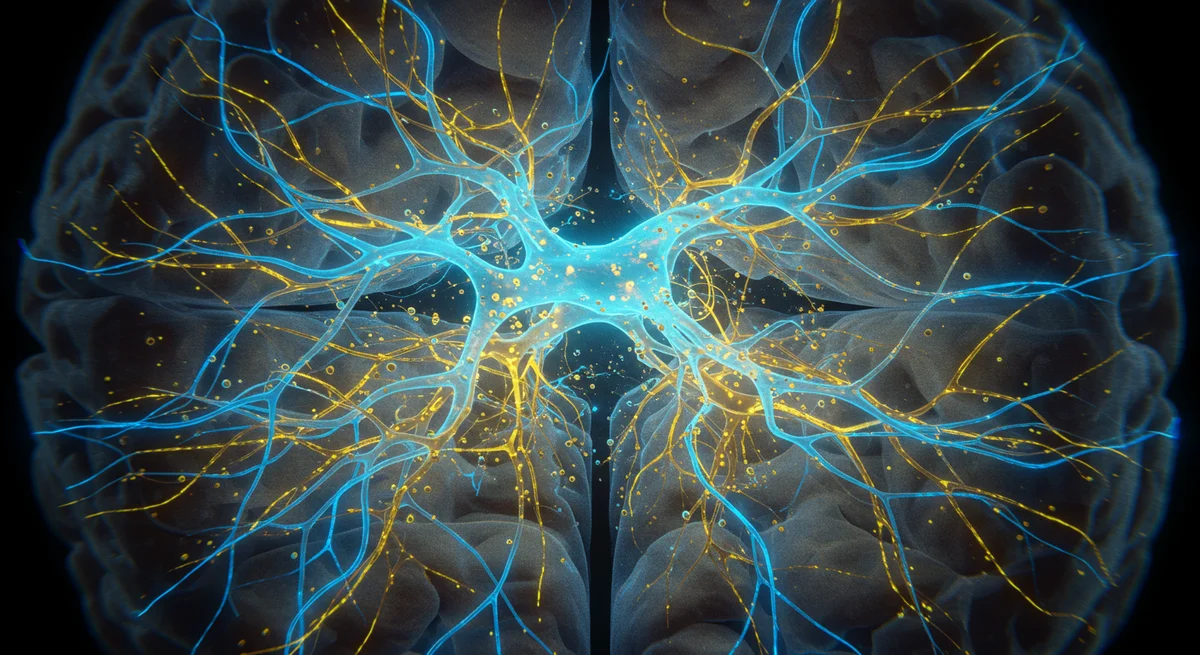
Researchers have unveiled a groundbreaking temporal single-cell atlas of the full-length Huntington’s disease (HD) mouse model, offering a precise look at how the brain deteriorates over time. Published on May 28, 2026, in the journal *Molecular Neurodegeneration*, this study addresses a significant gap in our understanding of how corticostriatal dysfunction unfolds. By tracking changes in heterozygous zQ175 knock-in mice, the team successfully distinguished between normal physiological aging and the specific pathogenic mechanisms that drive Huntington’s disease.
Insights from the zQ175 Model
To capture the trajectory of the disease, the study focused on two critical time points: the early symptomatic stage at 6 months and the late symptomatic stage at 18 months. The zQ175 model is particularly valuable because it uses full-length huntingtin, mirroring the genetic conditions of human patients more closely than earlier, rapidly progressing models. This allows scientists to observe a "tractable window" of molecular pathology before total cell loss occurs.
By integrating weighted gene co-expression networks with protein-protein interaction databases, the research team identified key genetic drivers. They found that specific neuronal populations in the striatum and motor cortex follow distinct, stage-specific pathways of failure. These findings were validated against human HD datasets and the R6/2 mouse model, confirming that the molecular signatures identified are not just artifacts of a single model, but are highly relevant to human pathology.
Identifying Vulnerable Regulators
One of the most significant outcomes of this atlas is the identification of regulatory factors that contribute to the disease. The study highlighted the role of epigenetic regulator Zswim6, alongside splicing factors Rbfox1 and Celf2, in the breakdown of corticostriatal circuits. Furthermore, the researchers pinpointed Foxo1, Neurod2, and Npas2 as critical transcriptional regulators that shift in influence as the disease advances. These insights provide a roadmap for future therapeutic interventions, suggesting that treatments might need to be timed precisely to address the specific molecular crises occurring at different stages of the disease.
Recent Developments

New breakthroughs in neurodegenerative research provide breaking news for patients and clinicians seeking to understand the progression of Huntington's. These latest updates offer a clearer picture of cellular decline, serving as live news for the scientific community as we move toward targeted therapies. You can follow all developments instantly on NeuroBulletin.com.
Related Topics
🔹 Huntington's Disease 🔹 Neurodegeneration Research 🔹 Single-cell Transcriptomics 🔹 Corticostriatal Dysfunction 🔹 Genetic Neurology 🔹 Molecular Neuroscience 🔹 Brain Mapping
Treatments News
This category covers the latest advancements in therapeutic research for brain disorders, providing breaking news on potential drug targets and intervention strategies. We bring you the latest updates and live insights into how emerging science is changing clinical outcomes, exclusively on NeuroBulletin.com.
Frequently Asked Questions
Why is the zQ175 mouse model important?
It uses full-length huntingtin, which provides a more accurate representation of the human disease compared to older models. This allows researchers to study the disease progression alongside natural aging.
What are the key regulators identified in the study?
The study pinpointed Zswim6, Rbfox1, Celf2, Foxo1, Neurod2, and Npas2 as major players in the molecular dysfunction of the brain. These factors are now primary candidates for future therapeutic research.
How does this atlas help with future drug development?
By identifying stage-specific molecular changes, researchers can now design treatments that target the specific mechanisms active at different phases of Huntington's. This moves the field away from one-size-fits-all approaches toward precision medicine.