Neuroscience Career Crucible: Experts Unpack Sustainable Paths Amidst Funding Shifts
Leading neuroscience researchers offered critical insights at CNS 2026, guiding PhDs and postdocs on building sustainable careers, balancing life, and embracing change.
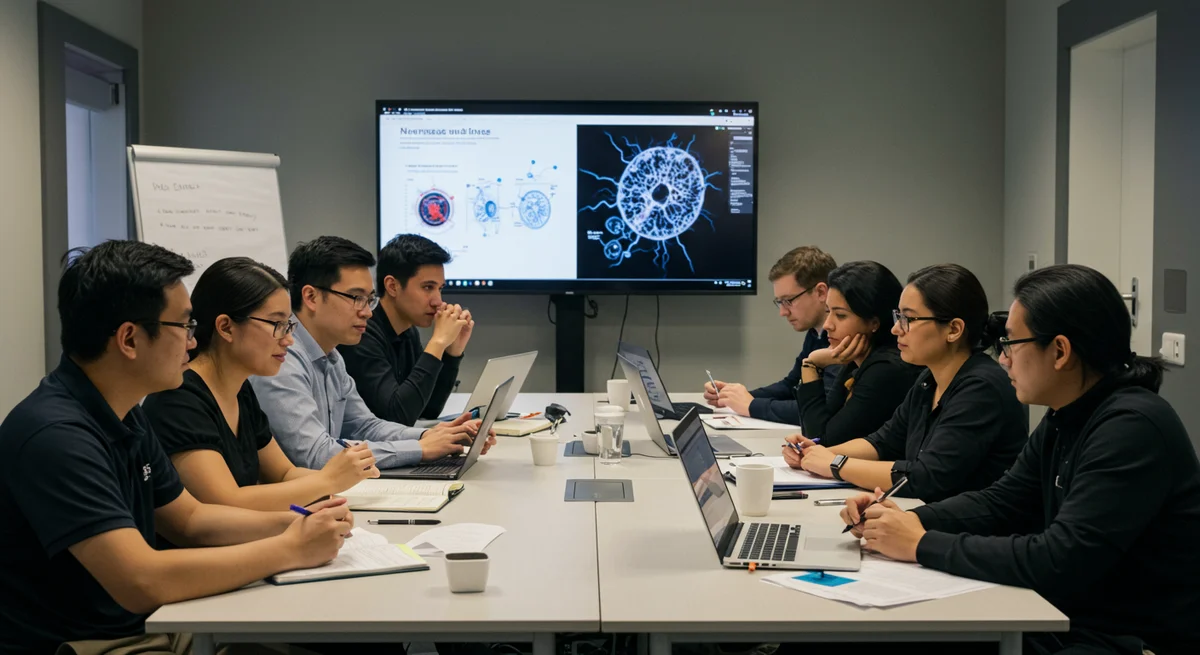
Neuroscience PhD students and postdoctoral researchers are currently navigating a particularly complex professional landscape, marked by increasing competition and notable reductions in U.S. federal research funding. This environment underscores the critical need for robust strategies concerning career trajectory, professional development, and maintaining momentum, all while striving for essential work-life equilibrium. Building a career in scientific inquiry, therefore, demands a delicate equilibrium between the inherent promise and persistent uncertainties of academic life, coupled with the practical demands of shifting institutional settings and individual aspirations.
During the 2026 CNSTA Career Panel, convened as part of the annual Cognitive Neuroscience Society (CNS) meeting in Vancouver, Canada, a quartet of distinguished scientists shared their perspectives on forging a cohesive and lasting research identity.
Forging Longevity Through Equilibrium and Personal Evolution
One central theme of the panel discussion revolved around establishing career longevity through judicious balance and continuous personal growth. Dr. Morgan Barense, from the University of Toronto, emphasized the indispensable nature of pursuing exceptional research endeavors concurrently with nurturing one's personal life and fulfilling obligations. She suggested that identifying mentors who successfully exemplify this integration can render long-term professional objectives more attainable and concrete.
Dr. Caterina Gratton, affiliated with the University of Illinois at Urbana-Champaign, reinforced the profound value of such role models, particularly in illustrating the feasibility of harmonizing family life with demanding academic pursuits. She articulated that career endurance frequently necessitates an openness to change, encompassing geographical relocations and evolving professional opportunities, while consistently prioritizing overall personal welfare.
In a similar vein, Dr. Hee Yeon Im of the BC Children’s Hospital Research Institute recounted her personal journey of transitioning from Korea to undertake graduate training abroad. Her experience highlighted the imperative of affording oneself ample time for personal and professional maturation, noting her own adjustment period to a new cultural context alongside the rigors of graduate studies.
Dr. Regina Lapate, representing the University of California, Santa Barbara, disclosed that during her own graduate studies, she lacked a definitive long-term career blueprint. Instead, she concentrated her efforts on continuing work that she found inherently meaningful and stimulating. Collectively, the panelists’ insights converged on the understanding that enduring academic careers are inherently dynamic, deeply individualized, and frequently shaped by ongoing adaptation rather than rigid, precise long-term forecasting.
Cultivating Dynamic Collaborations and Professional Networks
The dialogue extensively covered the topic of networking, extending beyond the conventional view of mentorship. A pivotal insight was shared by Dr. Morgan Barense, who advised, “Look around and see who is living that sort of a life that looks like something that you might want to have.”
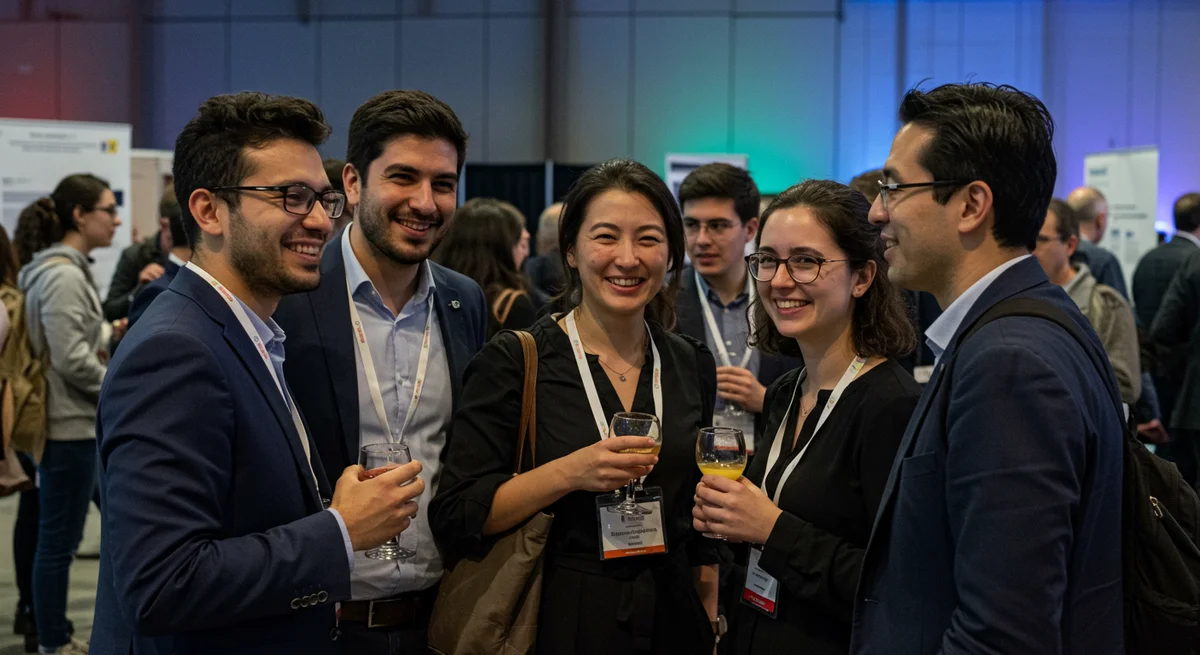
Beyond the traditional guidance from senior figures, panelists underscored the significance of what they termed “lateral mentorship” – peer relationships that furnish daily support, foster collaborative efforts, and cultivate a sense of professional community. These often-informal connections were deemed equally crucial and can evolve into some of the most steadfast components of an academic career.
Developing these vital relationships does not always conform to a structured methodology. Panelists described engaging with peers at academic conferences or specialized workshops, or proactively participating in collaborative projects, as suggested by Dr. Im, as effective avenues for expanding one's professional network. Frequently, productive collaborations emerged less from deliberate strategic planning and more from sustained conversations and shared intellectual interests. Moreover, directly reaching out to fellow graduate students, postdocs, or even more established investigators can unlock pathways to impactful professional connections.
While a proactive approach remains central to establishing and maintaining such relationships, the discussion also posited that networking is not necessarily an isolated task. Instead, it is frequently intrinsic to the research process itself, manifesting through engaging with others' scholarly contributions and the reciprocal exchange of ideas.
Navigating Career Milestones with Purpose
The discourse surrounding postdoctoral training illuminated a crucial point: the elusive notion of feeling entirely prepared for the next career stage. “You’ll never feel ready. […] So don’t wait until you feel ready. If there is a job that has come up that feels like it’s right, go for it, and sort the rest of that stuff out later,” stated Dr. Caterina Gratton. This sentiment highlighted that waiting for a perfect sense of readiness, whether for postdoc applications or faculty positions, can be counterproductive. Postponing action in anticipation of absolute certainty, in this context, risks delaying essential career progression.
Concurrently, panelists concurred on the paramount importance of cultivating a distinct research identity. This is not primarily achieved by accumulating a multitude of projects or awards, but rather by engaging in work that is coherent, intellectually stimulating, and genuinely interesting. The objective, they suggested, is to construct a body of work that others begin to associate with one’s unique expertise, prioritizing this over the pursuit of external validation or optimizing for short-term indicators of success.
More pragmatic counsel focused on actionable steps within a researcher's direct control: applying to a broad range of opportunities, initiating contact with potential collaborators or mentors, and continuously enhancing skills through direct, hands-on research. The overall consensus from the discussion indicated that advancement at this career phase is less about adhering to a rigid, predefined blueprint and more about maintaining forward momentum despite inherent uncertainties.
The panelists concluded that there is no universal formula for success in academia. Building a lasting career in this field, as underscored by the experts, is an iterative journey that gradually takes shape over time, often significantly aided by the collective support and contributions of many. Taryn Green, a PhD student at Louisiana State University, contributes research focusing on visual working memory limitations and their neural correlates. Frederik Bergmann, a postdoctoral fellow at the University of Colorado Boulder, investigates semantic memory, memory suppression, and fMRI applications.
Latest Updates on this Story
Amidst ongoing discussions about the future of scientific research, particularly concerning federal funding allocations, the insights from the 2026 CNSTA Career Panel remain highly relevant for early-career neuroscience professionals. The breaking news regarding sustained funding pressures makes expert guidance on career resilience more crucial than ever. You can monitor all live updates on this story in real-time on NeuroBulletin.com.
Related Topics
🔹 Neuroscience Careers 🔹 Academic Job Market 🔹 Postdoctoral Life 🔹 Work-Life Balance in Academia 🔹 Scientific Funding Challenges 🔹 Mentorship and Networking 🔹 Cognitive Neuroscience Society
About NeuroBulletin News
NeuroBulletin.com is your leading independent resource for comprehensive coverage of neuroscience, brain health, and neurological research. Our news section delivers in-depth articles, expert analyses, and the latest discoveries impacting the field, offering unparalleled insights for professionals and enthusiasts alike. We aim to provide the most current and relevant information to foster understanding and innovation in brain science.
Frequently Asked Questions
What are 'lateral mentorships' in an academic context?
Lateral mentorships refer to peer relationships among researchers at similar career stages. These connections provide mutual support, opportunities for collaboration, and a sense of community, often serving as crucial, informal networks.
Why is waiting until you 'feel ready' counterproductive for career advancement?
As highlighted by experts, the feeling of being entirely 'ready' for a new career stage, such as a postdoc or faculty position, rarely materializes. Waiting for this elusive feeling can lead to missed opportunities and unnecessary delays in professional progression.
How can neuroscience researchers maintain work-life balance while pursuing demanding academic careers?
Panelists emphasized the importance of intentionally prioritizing personal life and obligations alongside high-quality research. This includes identifying role models who demonstrate this balance and being open to adapting career paths, including relocation, to support overall well-being.
What are some current challenges facing early-career neuroscience researchers?
Early-career neuroscience researchers face significant challenges, including a highly competitive job market, increased pressure due to funding cuts to U.S. federal research, and the need to constantly adapt to evolving professional landscapes while maintaining personal well-being.