Could Precise Amyloid Clearance Hold the Key to Stopping Alzheimer’s?
New autopsy research reveals that complete amyloid clearance in specific brain regions may be essential to halt tau progression and neurodegeneration.
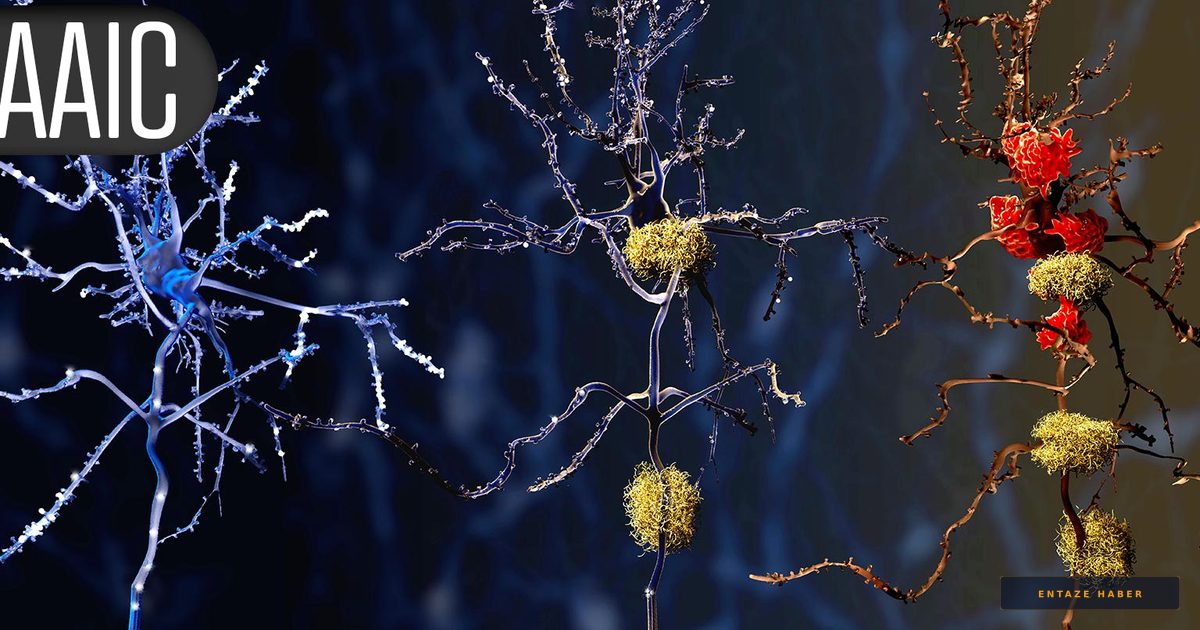
Mapping the Brain’s Response to Anti-Amyloid Therapy
Groundbreaking autopsy data from a single Alzheimer’s patient is shifting the scientific conversation regarding how anti-amyloid treatments interact with the human brain. Dr. Edward Lee of the University of Pennsylvania presented these findings at the Alzheimer’s Association International Conference, detailing a unique case where the success of plaque removal appeared highly dependent on the specific location within the brain. The study, published in JAMA, highlights that achieving near-total clearance of amyloid-beta is likely a prerequisite for preventing downstream tau accumulation and brain atrophy.

The Disparity Between Gyral Crests and Sulcal Depths
One of the most striking observations from the study involves the uneven distribution of amyloid clearance. The research indicates that amyloid-beta is cleared more effectively from the gyral crests—the outer ridges of the brain's folds—than from the deeper sulcal depths. In regions where the drug achieved comprehensive clearance, researchers observed a significant slowing of neurodegeneration and reduced tau pathology. Conversely, areas where residual amyloid remained displayed disease progression mirroring that of untreated Alzheimer’s patients. This suggests that the biological success of monoclonal antibodies hinges not just on the total amount of protein removed, but on the uniformity of that removal across different cortical layers.

Clinical Implications for Future Treatments
The patient, a man in his 50s with mild cognitive impairment and a p.R47H TREM2 genetic variant, received 30 doses of aducanumab over a 4.5-year period. While he experienced partial clearance, his clinical journey was marked by multiple incidents of amyloid-related imaging abnormalities (ARIA) and eventual progression to mild-to-moderate dementia. Despite the drug’s discontinuation in 2024, the autopsy results provide a critical proof-of-concept. Experts like Dr. David Knopman of the Mayo Clinic noted that this case offers the first clear evidence of a therapeutic intervention interrupting the hypothesized cascade from amyloid buildup to tauopathy and, ultimately, cortical volume loss.
Looking ahead, the research underscores the urgent need for improved delivery mechanisms. Dr. Bart De Strooper of University College London suggests that current cognitive benefits remain modest due to incomplete plaque removal. He advocates for the development of blood-brain barrier shuttles that could enhance antibody penetration into deeper brain structures. By ensuring a more uniform distribution of therapeutic agents, scientists hope to move closer to treatments that can truly halt the progression of Alzheimer’s disease.
Recent Developments
The medical community is currently processing these latest updates regarding how brain structure influences the efficacy of Alzheimer’s treatments. This breaking news highlights the complexities of neuro-therapeutic delivery, serving as a critical piece of live news for researchers and families alike. You can follow all developments instantly on NeuroBulletin.com.
Related Topics
🔹 Alzheimer's Disease 🔹 Amyloid-Beta 🔹 Neurodegeneration 🔹 Aducanumab 🔹 Tau Protein 🔹 Brain Imaging 🔹 Clinical Neurology
Treatments News
This category provides the latest updates on emerging therapies and pharmacological breakthroughs in neurology. We deliver breaking news and live coverage of clinical trials and autopsy studies to keep you informed on the future of patient care at NeuroBulletin.com.
Frequently Asked Questions
Why does the location of amyloid clearance matter?
Research suggests that amyloid clearance is not uniform across the brain. When clearance is complete in specific areas, it appears to stop the chain reaction that leads to tau protein accumulation and subsequent brain cell death.
What is the role of the TREM2 variant in this study?
The patient carried the p.R47H TREM2 variant, which is known to increase Alzheimer’s risk. While the variant can influence disease progression, the study found that the specific patterns of clearance and tau reduction were distinct from untreated controls carrying the same gene.
Could these findings change how we design Alzheimer's drugs?
Yes, the findings suggest that future therapies may need to utilize blood-brain barrier shuttles. Improving the distribution of antibodies to reach deeper brain regions could lead to more uniform clearance and better clinical outcomes.