Tuberculosis Vaccine Shows Potential to Rewrite Alzheimer’s Prevention Strategy
A pilot study suggests the BCG tuberculosis vaccine could train the immune system to alter Alzheimer's-related biomarkers in the brain.
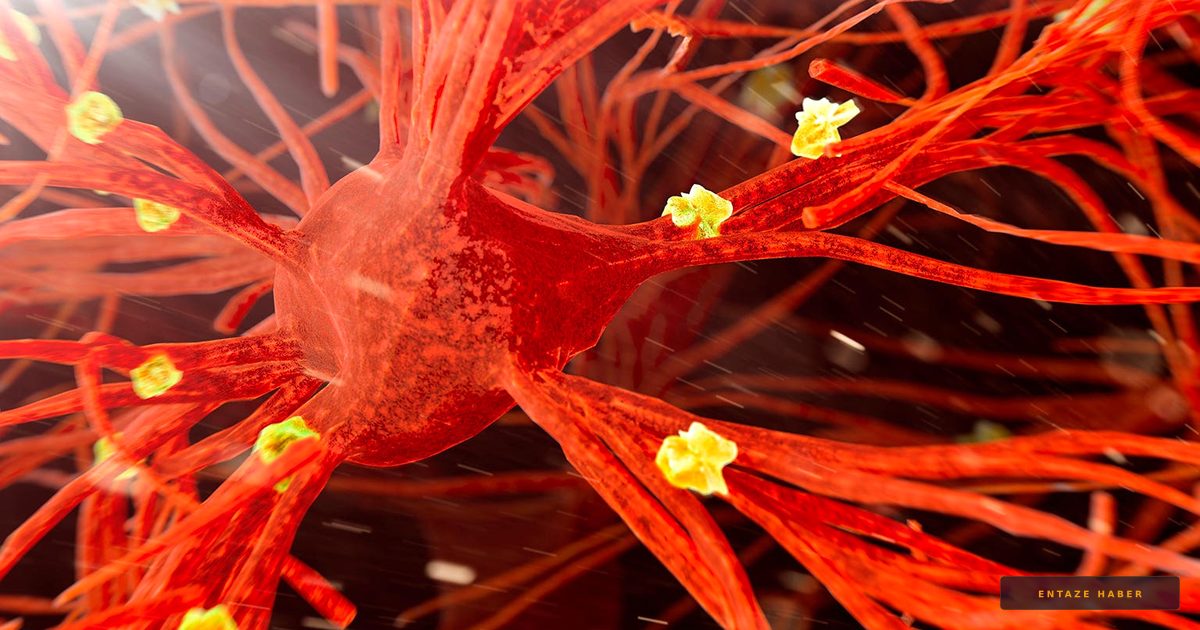
Rethinking Immune Resilience in Alzheimer's
The Bacillus Calmette-Guérin (BCG) vaccine, a long-standing treatment for tuberculosis, is emerging as a potential candidate in the fight against Alzheimer’s disease. Researchers have discovered that the vaccine, which was first utilized in the 1920s and later approved by the FDA in 1990 for bladder cancer, may possess the ability to induce "trained immunity." This process involves a long-lasting reprogramming of innate immune responses that could prove vital in combating neurodegeneration.

Pilot Study Findings and Immune Reprogramming
Steven Arnold, MD, of Massachusetts General Hospital in Boston, led a year-long study published in *Communications Medicine* that monitored participants through two open-label clinical trials. The research focused on adults aged 55 and older, excluding those with prior tuberculosis exposure, immunosuppressive treatments, or significant psychiatric comorbidities.

In individuals who did not possess Alzheimer's-related pathology, the vaccine triggered persistent changes in the cerebrospinal fluid (CSF). Specifically, the researchers observed a decrease in amyloid-beta levels within the CSF, coupled with an increase in amyloid levels in the blood. This shift suggests that the vaccine may facilitate better protein clearance from the central nervous system. Notably, this effect was absent in participants who already exhibited Alzheimer's pathology, leading researchers to hypothesize that the timing of the vaccination is a critical factor in modifying disease dynamics.
Moving Toward Clinical Prevention Trials
While the current data does not confirm that BCG prevents Alzheimer's, it provides a crucial biological rationale for further investigation. Dr. Arnold emphasized that the study was designed to assess safety and biological mechanisms rather than clinical outcomes. The participants received two intradermal doses spaced one month apart, with only one minor case of injection site dermatitis reported during the trial.
Pierre Tariot, MD, of the Banner Alzheimer's Institute, who was not involved in the research, noted that the mechanistic evidence points toward a durable, disease-modifying effect on the aging neuroimmune environment. The next phase of this research involves a large, randomized, controlled prevention trial. A coalition of U.S. investigators has already submitted a proposal to the NIH to test the vaccine in a real-world framework, aiming to measure cognitive trajectories and definitive biomarker shifts.
Recent Developments
New research on the BCG vaccine offers a fresh perspective on breaking news in neurodegenerative medicine. These latest updates suggest that immune system training could be a key factor in protecting brain health, with live news regarding clinical trial applications currently under review by the NIH. You can follow all developments instantly on NeuroBulletin.com.
Related Topics
🔹 Alzheimer’s Disease 🔹 Immunology 🔹 BCG Vaccine 🔹 Neurodegeneration 🔹 Clinical Trials 🔹 Amyloid-beta 🔹 Brain Health
Treatments News
This section covers the latest updates in medical interventions and therapeutic strategies for neurological conditions. We provide breaking news and live coverage on experimental treatments, ensuring our readers stay informed about the evolving landscape of brain health on NeuroBulletin.com.
Frequently Asked Questions
Can the BCG vaccine currently be used to treat Alzheimer's?
No, the study was a small, open-label pilot designed to test safety and biological mechanisms. It does not establish the vaccine as a treatment, and large-scale clinical trials are required to determine its efficacy.
What is "trained immunity" in the context of this study?
"Trained immunity" refers to the long-lasting reprogramming of innate immune cells. The study suggests this process may help the body clear amyloid-beta more effectively from the central nervous system.
Why was the vaccine tested on older adults?
Researchers targeted this demographic to see if immune reprogramming could help mitigate neuroinflammatory dysfunction and aging-related immune decline. The study aimed to identify if the vaccine could act as an early prevention strategy.