Cognitive Crossroads: Major Study Uncovers Alarming Link Between Ultraprocessed Foods and Dementia Risk
A major longitudinal study reveals a stark link between high ultraprocessed food intake and increased dementia/cognitive impairment risk in older adults. Discover the findings.

A groundbreaking longitudinal investigation has unveiled a significant correlation between substantial consumption of ultraprocessed foods and a heightened vulnerability to cognitive impairment among the elderly. Conversely, the research indicated that a diet rich in minimally processed foods was connected to a reduced likelihood of experiencing such cognitive challenges.
Despite its observational nature and reliance on self-reported dietary information, the study's conclusions align with an expanding body of scientific literature exploring the interplay between highly processed foods and brain health.
Individuals whose diets contained the largest proportions of ultraprocessed items, such as sugary beverages, pre-packaged snacks, or industrially processed meats, exhibited a greater propensity for developing a composite outcome encompassing dementia or general cognitive impairment. This finding emerged from a comprehensive longitudinal study involving older adults across the United States.
Quantifying the Cognitive Threat
Compared to participants consuming the lowest amounts of ultraprocessed foods, those in the highest consumption quintile faced a 58% elevated probability of developing dementia (HR 1.58, 95% CI 1.) over an approximate nine-year period. However, the researchers noted that a linear trend across these consumption quintiles for dementia risk was not statistically significant. Heejin Lee, PhD, from the Harvard T.H. Chan School of Public Health in Boston, along with her co-authors, presented these findings.
The study further highlighted that participants with the highest intake of ultraprocessed foods were 46% more likely to experience incident mild cognitive impairment (HR 1.46, 95% CI 1., P for trend=0.03). Moreover, this group showed a 47% increased likelihood of developing either mild cognitive impairment or full-blown dementia (HR 1.47, 95% CI 1., P for trend=0.02), as reported by Dr. Lee and her team in the *American Journal of Public Health*.
Expert Commentary on Dietary Impact
Cindy Leung, ScD, MPH, also affiliated with the Chan School of Public Health and a co-author of the study, emphasized the broader health implications during a press briefing. "We already know that ultraprocessed food intake is associated with increased risks for cardiovascular disease, diabetes, cancers, and obesity. Our study adds that ultraprocessed food consumption matters for brain health, and specifically that the rise of ultraprocessed foods in the American diet may contribute to cognitive decline as we age," Dr. Leung stated.
She also provided a crucial caveat regarding the study's design. "We cannot say that ultraprocessed foods cause these outcomes. However, our study does add a strong association to this growing body of work," she clarified, adding, "It's biologically plausible, and it fits with what we know about ultraprocessed foods and chronic disease risk."
The Protective Power of Whole Foods
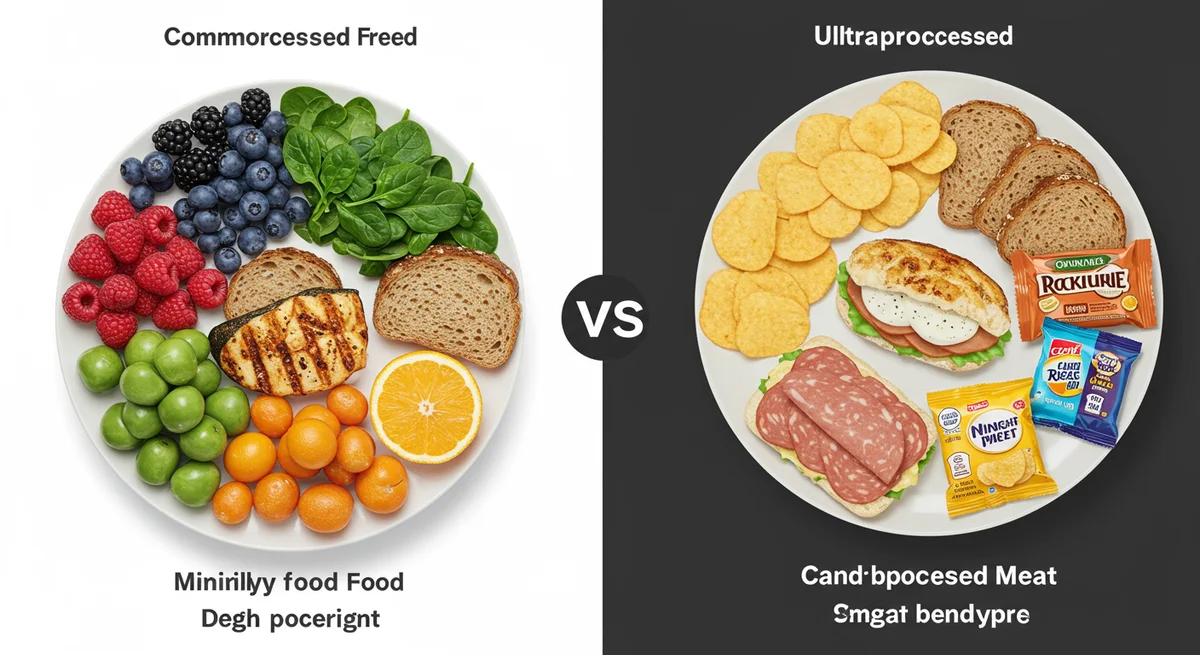
Dr. Leung also shared encouraging findings regarding less processed dietary choices. "The good news is that we found the opposite effect with minimally processed whole foods," she highlighted. The study revealed that older American participants who consumed the highest quantities of minimally processed foods—such as fresh fruits and vegetables, whole grains, and unprocessed meats—experienced a 41% reduction in their risk of developing dementia. This group also saw a 24% lower risk for mild cognitive impairment and a 26% reduced risk for either of these cognitive outcomes.
Understanding the Research Methodology
The analysis conducted by Dr. Lee and her collaborators involved tracking 5,370 participants from the Health and Retirement Study (HRS). Researchers determined ultraprocessed food intake through a semiquantitative food frequency questionnaire administered during the 2013 HRS Health Care and Nutrition Study. Subsequent assessments of cognitive impairment outcomes were based on test results from biennial evaluations conducted until 2020. The average age of participants at the study's outset was 64.5 years, with women comprising 55.2% and individuals identifying as white making up 81.7% of the cohort.
The Nova system was utilized for classifying ultraprocessed foods. On average, ultraprocessed foods (categorized as Nova 4) constituted 21.5% of the total food intake by weight among participants, while minimally processed foods (Nova 1) accounted for 71.8%. The primary contributors to ultraprocessed food consumption included sugar-sweetened beverages (31.2%), followed by other beverages (22.2%), dairy products (11.2%), snacks and sweets (9.7%), and grains and grain-based products (6.2%).
Over a median observation period of 8.7 years, the study documented 266 new instances of dementia and 1,191 cases of cognitive impairment without dementia (classified as mild cognitive impairment). The observed relationships between ultraprocessed foods and cognitive outcomes were meticulously adjusted for various confounding factors, including demographic data, lifestyle habits, and existing chronic disease history at baseline.
Broader Implications and Policy Demands
This publication was one of over a dozen articles concerning ultraprocessed foods featured in a specialized edition of the *American Journal of Public Health*. Among these was research led by Jeff Niederdeppe, PhD, from Cornell University in Ithaca, New York. His study, based on a survey of 2,000 Americans, indicated public support for measures aimed at reducing ultraprocessed food consumption. "Ultraprocessed foods have entered public consciousness as a major health hazard," Dr. Niederdeppe commented.
He further asserted the opportune moment for legislative action: "The convergence of public belief, bipartisan support, and scientific evidence creates a critical window for policy action. Americans appear ready for stronger safeguards and holding the food industry accountable, ranging from additive testing to marketing restrictions."
Dr. Leung echoed the complexity of dietary choices, particularly for vulnerable populations. "There is a reason why ultraprocessed foods dominate our food environment. Telling older adults to just eat better ignores the reality of what their food environment could look like, particularly for those who are socially isolated, who are food insecure, who have fixed incomes," she observed. She concluded with a strong call to action: "We don't have a cure for dementia, but if we can pinpoint a structural factor that contributes to the rise in dementia that we've seen in the United States and we can do something to change that, then we absolutely should."
Previous Research Corroborates Findings
The current findings lend further support to prior investigations, including an Australian study that explored whether the degree of food processing itself could influence brain health. Additionally, research from the U.K. Biobank has previously suggested that substituting ultraprocessed foods with unprocessed or minimally processed alternatives might diminish the risk of dementia.
Latest Updates on this Story
This breaking news about ultraprocessed foods and cognitive decline highlights a critical public health concern. Researchers continue to explore the intricate mechanisms behind this association, with more studies on dietary interventions and brain health expected. NeuroBulletin.com provides live coverage and the latest updates on this evolving story. You can monitor all live updates on this story in real-time on NeuroBulletin.com.
Related Topics
🔹 Ultraprocessed Foods 🔹 Cognitive Impairment 🔹 Dementia Risk 🔹 Brain Health 🔹 Nutrition Science 🔹 Public Health Policy 🔹 Healthy Aging 🔹 Food Systems
About NeuroBulletin News
NeuroBulletin.com offers unparalleled, in-depth coverage across various domains of neuroscience and brain health, including cutting-edge treatments and preventative strategies. As the leading independent resource in this field, we provide meticulously researched news and analyses, keeping our readers informed about the latest scientific advancements and their implications for neurological well-being.
Frequently Asked Questions
What constitutes an ultraprocessed food?
Ultraprocessed foods (UPFs) are industrial formulations typically made from ingredients extracted from foods, often containing additives like flavorings, colors, emulsifiers, and thickeners. Examples include sugary drinks, packaged snacks, instant noodles, and processed meats, which undergo multiple industrial processes.
Can modifying my diet reverse existing cognitive decline?
While this study emphasizes association, not causation, and focuses on risk reduction, adopting a diet rich in minimally processed foods is generally recommended for overall brain health. Consult with a healthcare professional or dietitian for personalized advice regarding dietary changes and cognitive health management.
What is the primary distinction between ultraprocessed and minimally processed foods?
Minimally processed foods are whole foods that have undergone little to no processing, such as fresh fruits, vegetables, whole grains, and lean meats. Ultraprocessed foods, conversely, are industrial products made from processed ingredients and often contain artificial additives, designed for convenience and palatability.
Why does the study refer to an "association" rather than "causation" between UPFs and cognitive decline?
This study is observational, meaning researchers observed existing dietary habits and cognitive outcomes without direct intervention. While it reveals a strong correlation, observational studies cannot definitively prove that one factor directly causes another, as other unmeasured variables might play a role.