Neuroscientists Uncover Amygdala's 'Anxiety Switch,' Reversing Behaviors in Landmark Study
Pioneering research reveals a specific brain circuit in the amygdala linked to anxiety and social deficits. Restoring its balance reversed these behaviors in mice, offering new therapeutic avenues.
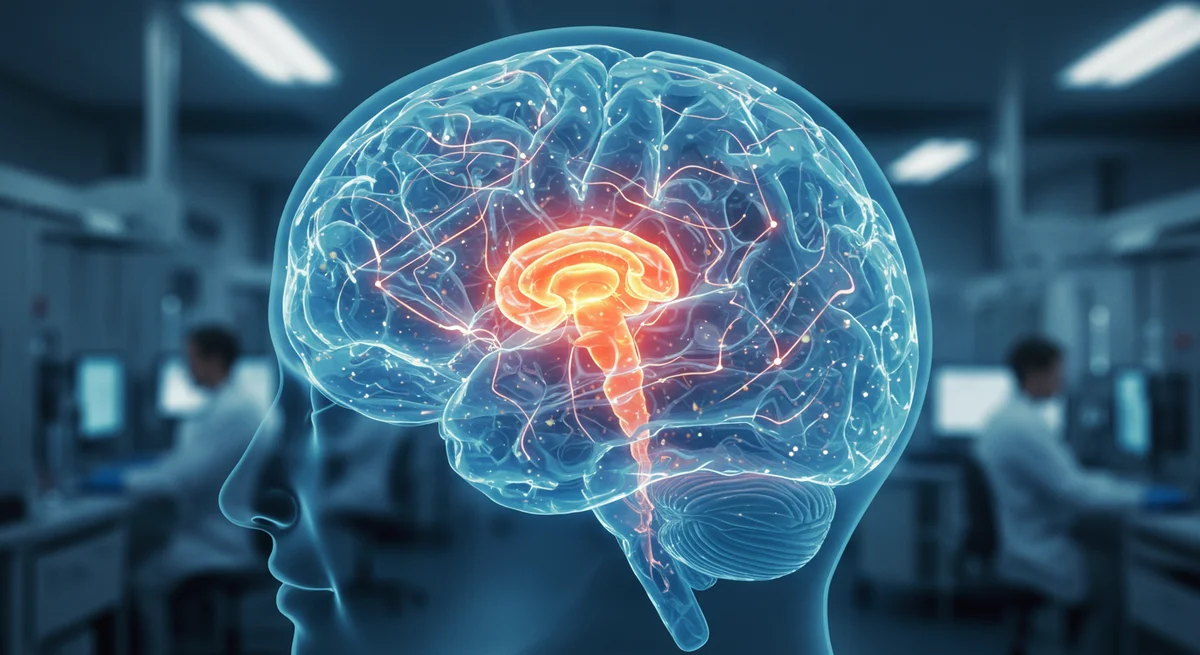
Groundbreaking Discovery: A Tiny Brain Circuit Holds Key to Reversing Anxiety and Social Withdrawal
In a significant advancement for neuroscience, researchers have pinpointed a minute neural circuit within the amygdala that appears to be central to both anxiety and social interaction patterns. Remarkably, by reinstating equilibrium in this delicate brain pathway, scientists successfully alleviated anxiety-related and social deficit behaviors in laboratory mice, unveiling a promising new direction for the development of future treatments.
This pivotal investigation, spearheaded by Juan Lerma and his scientific cohort at the Synaptic Physiology laboratory, operates under the auspices of the Institute for Neurosciences (IN), a collaborative initiative between the Spanish National Research Council (CSIC) and Miguel Hernández University (UMH) of Elche. The comprehensive findings from their work have been documented and published in the academic journal *iScience*.
Unveiling a Critical Emotional Hub
Central to this study was the amygdala, a brain region long recognized for its integral role in modulating emotional responses, particularly those associated with fear and apprehension. The research team identified a distinct population of neurons within this structure that exerts a profound influence over an individual's emotional and social conduct.
Juan Lerma emphasized the novelty of their discovery, stating, "We already knew the amygdala was involved in anxiety and fear, but now we've identified a specific population of neurons whose imbalanced activity alone is sufficient to trigger pathological behaviors." This highlights a shift from a generalized understanding of the amygdala's function to a precise identification of specific neural actors in emotional disorders.
To probe this mechanism, the scientists utilized genetically modified mice engineered to express unusually high concentrations of the *Grik4* gene. This genetic alteration led to an increase in GluK4 glutamate receptors, consequently heightening the excitability of certain neurons beyond their normal operational levels. This particular mouse model, originally conceived by the same laboratory in 2015, exhibits behaviors characteristic of anxiety and social withdrawal, conditions frequently observed in complex disorders such as autism and schizophrenia.
Precision Intervention Yields Dramatic Results
The research team subsequently directed their efforts toward neurons located in the basolateral amygdala, a specific sub-region of the amygdala. By normalizing the activity of the *Grik4* gene within this area, they managed to re-establish proper communication channels with inhibitory neurons, known as regular firing neurons, situated in the centrolateral amygdala.
The repercussions of this targeted adjustment were profound.
Álvaro García, who served as the lead author of the study, remarked on the simplicity and efficacy of the intervention: "That simple adjustment was enough to reverse anxiety-related and social deficit behaviors, which is remarkable." This outcome underscores the critical nature of maintaining neural balance within this circuit.
To quantify the impact of their intervention, the team employed a combination of electrophysiological recordings and established behavioral assessments. These tests are standard procedures for evaluating anxiety, depression, and social interaction in rodents, including observing their inclination to explore open environments and their interest in interacting with unfamiliar mice.
Through the application of advanced genetic engineering techniques and modified viral vectors, the researchers selectively corrected the neural imbalance within the basolateral amygdala. Following this precise correction, they observed measurable improvements in both the mice's brain activity patterns and their observable behaviors.
Broader Implications Beyond Genetic Models
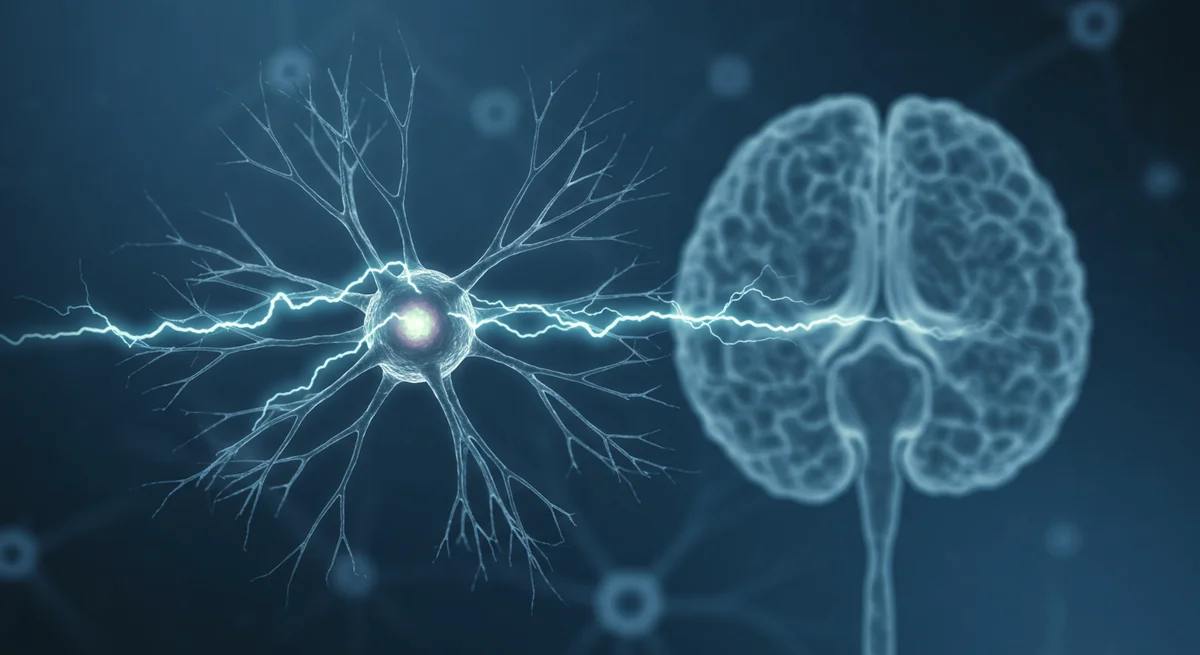
The researchers were also keen to ascertain whether the underlying mechanism they identified might be applicable to anxiety more broadly, extending beyond the specific genetic model. To investigate this, they applied the identical intervention to wild-type mice that naturally exhibited elevated levels of anxiety. Encouragingly, the treatment succeeded in mitigating anxiety levels in these animals as well.
Lerma further elaborated on the significance of this finding, stating, "This validates our findings and gives us confidence that the mechanism we identified is not exclusive to a specific genetic model, but may represent a general principle for how these emotions are regulated in the brain." This suggests that the neural pathway uncovered in the study could be an integral component of a more universal system governing emotional regulation.
While the intervention yielded significant improvements in anxiety and social behaviors, it did not resolve all observed symptoms. The mice continued to display deficits in object recognition memory, indicating that other brain regions, potentially such as the hippocampus, may contribute to certain aspects of these complex disorders and were not influenced by this specific treatment.
Nonetheless, these findings offer a highly promising avenue for the development of future therapeutic strategies. Lerma concluded, "Targeting these specific neural circuits could become an effective and more localized strategy to treat affective disorders." The study received financial backing from several entities, including the Spanish State Research Agency (AEI) – Spanish Ministry of Science, Innovation and Universities, the Severo Ochoa Excellence Program for Research Centers at the Institute for Neurosciences CSIC-UMH, the European Regional Development Fund (ERDF), and the Generalitat Valenciana through its PROMETEO and CIPROM programs.
***
Latest Updates on this Story
Breaking news in neuroscience continues to highlight the intricate interplay of brain circuits and mental health. This study's findings are part of a larger, ongoing effort to understand the biological underpinnings of anxiety and social disorders, with researchers globally seeking to translate such discoveries into clinical applications. The current news emphasizes the potential for highly targeted interventions. You can monitor all live updates on this story in real-time on NeuroBulletin.com.
Related Topics
🔹 Amygdala Research 🔹 Anxiety Disorders 🔹 Social Deficits 🔹 Neural Circuits 🔹 Genetic Engineering in Neuroscience 🔹 Affective Disorders Treatment 🔹 Brain Health Research 🔹 iScience Publication
About NeuroBulletin News
NeuroBulletin.com stands as the leading independent resource for cutting-edge developments in neuroscience and brain health. Our coverage spans groundbreaking research, clinical trials, and technological innovations impacting the brain and nervous system. We strive to provide our readers with objective, premium news articles, ensuring they remain informed on the latest scientific advancements in this crucial field.
Frequently Asked Questions
What specific brain region was the focus of this new research?
This study concentrated on the amygdala, a critical brain area known for its role in processing emotions such as fear and anxiety. Researchers identified a specific group of neurons within this region that significantly influences emotional and social behaviors.
How did scientists induce anxiety-like behaviors in the mice?
The research team utilized genetically engineered mice that produced elevated levels of the *Grik4* gene. This led to an increased number of GluK4 glutamate receptors, making certain neurons in the amygdala more excitable and causing behaviors resembling anxiety and social withdrawal.
What was the key intervention that reversed the anxiety and social deficits?
The scientists normalized the activity of the *Grik4* gene specifically in the basolateral amygdala. This intervention successfully restored communication with inhibitory neurons in the centrolateral amygdala, thereby reversing the observed anxiety-related and social deficit behaviors.
Does this discovery suggest a universal mechanism for emotional regulation?
Yes, the researchers found that applying the same intervention to wild-type mice with naturally high anxiety levels also reduced their anxiety. This suggests that the identified neural pathway may represent a general principle for how emotions are regulated in the brain, extending beyond specific genetic conditions.