Hypoglossal Nerve Stimulation: Long-Term Heart Health Benefits vs. Early Risks
A new study reveals that while hypoglossal nerve stimulation for sleep apnea offers long-term heart benefits, it carries unexpected early-stage cardiovascular risks.
Unexpected Early Cardiovascular Hazards
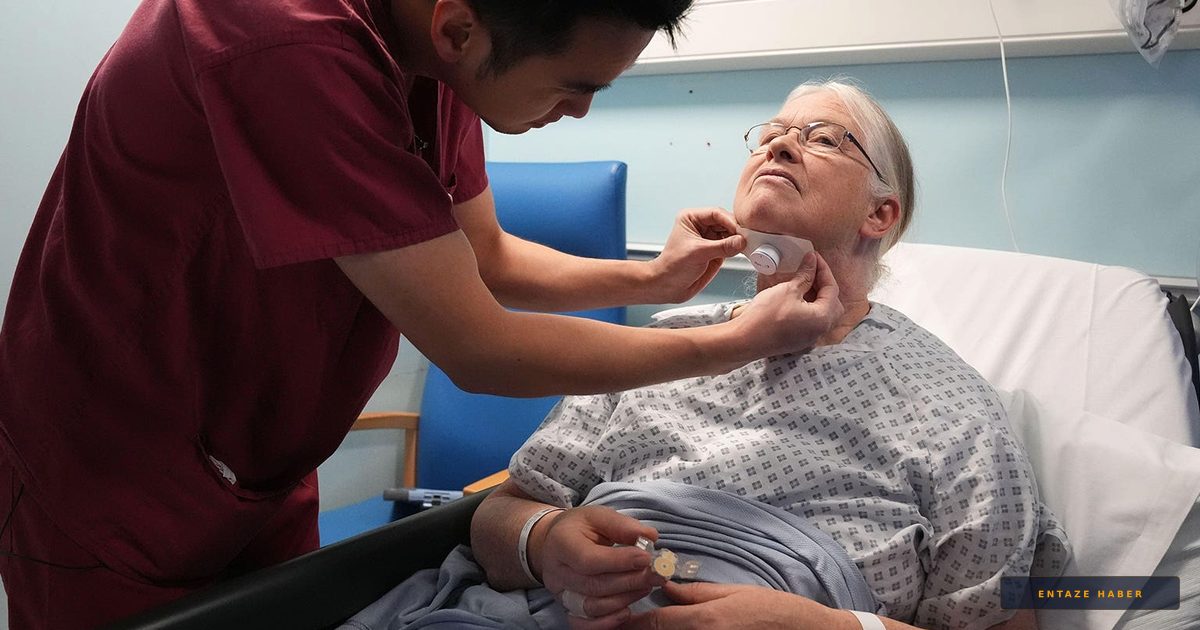
Recent findings published in JAMA Otolaryngology–Head & Neck Surgery suggest a complex relationship between hypoglossal nerve stimulation (HGNS) and long-term cardiovascular health. While the procedure, designed to treat obstructive sleep apnea (OSA), shows promise for protecting heart health over extended periods, researchers identified concerning trends in the first 24 months post-implantation. Dr. Neil Kondamuri and his team at the University of Chicago Medicine discovered that patients receiving the device faced a higher hazard of hypertension and cardiovascular events shortly after the procedure, a result that deviated from their initial expectations.

The Two-Year Clinical Turning Point
For participants without a history of cardiovascular disease, the data revealed a distinct shift after the two-year mark. While these individuals experienced a higher risk of receiving a hypertension diagnosis in the first two years (HR 1.70), their long-term outlook improved significantly. After the two-year milestone, patients saw lower hazards for both diabetes (HR 0.19) and hypertension (HR 0.49).

Similarly, for patients who entered the study with pre-existing conditions, the early phase was marked by an increased hazard of minor (HR 1.44) and major (HR 1.62) cardiovascular events. However, once the two-year threshold passed, the risk profile stabilized. Beyond this point, the data indicated a downward trend in cardiovascular events, suggesting that the benefits of HGNS may manifest more clearly over a longer duration.
Investigating the Data Discrepancy
Why would a procedure intended to improve health outcomes correlate with higher event rates early on? The researchers suggest that the increased frequency of healthcare interactions—such as device calibration and postoperative follow-ups—may lead to more frequent diagnostic coding. Additionally, the team acknowledged that the study design, which utilized the Merative MarketScan Commercial Database to track 3,786 HGNS recipients and 3,395 matched controls, may have been influenced by underlying OSA severity. Because the database lacks specific indicators of OSA intensity, it is possible that patients opting for surgery already possessed a higher baseline risk profile compared to their non-surgical counterparts.
Future Clinical Implications
This study highlights the necessity for nuanced patient counseling. As individuals often pursue HGNS with the specific goal of lowering cardiovascular risk, physicians must now balance these long-term potential gains against the observed early-stage challenges. While other surgical interventions for OSA have historically been linked to stroke prevention and blood pressure reduction, the unique timeline of HGNS requires further investigation to fully understand its physiological impact. The authors emphasize that future research must incorporate broader demographic data, including race and socioeconomic status, to eliminate potential confounding variables and refine clinical expectations.
Recent Developments
Medical researchers are currently evaluating the long-term impact of sleep apnea treatments on heart health as part of the latest updates in cardiology. This breaking news highlights how surgical interventions can have paradoxical effects, providing live news for patients and doctors navigating complex treatment plans. You can follow all developments instantly on NeuroBulletin.com.
Related Topics
🔹 Obstructive Sleep Apnea 🔹 Cardiology Research 🔹 Hypoglossal Nerve Stimulation 🔹 Heart Health Innovation 🔹 Surgical Outcomes 🔹 Clinical Trials 🔹 Sleep Medicine
Treatments News
This category provides breaking news and the latest updates on medical procedures and therapeutic interventions. We provide live coverage of clinical research to keep our readers informed about the most effective treatments in the industry at NeuroBulletin.com.
Frequently Asked Questions
Why did patients face higher cardiovascular risks in the first two years after HGNS?
Researchers suspect this is likely due to increased medical surveillance. Frequent device checks and follow-up visits may lead to more incident diagnosis codes for conditions like hypertension, rather than an actual increase in disease severity.
Does hypoglossal nerve stimulation provide long-term heart benefits?
Yes, the study indicates that after the two-year mark, patients experienced lower hazards for diabetes and hypertension, as well as a decrease in the likelihood of both minor and major cardiovascular events.
What are the limitations of this study?
The research was limited by the lack of data regarding patient race, ethnicity, socioeconomic status, and specific cardiovascular markers. Additionally, the study could not perfectly account for baseline OSA severity, which may have influenced the results.