Cheerleading Safety Shift: How a 2012 Rule Change Drastically Cut Head Injuries
A major study reveals that banning high-risk 'double down' maneuvers has significantly reduced concussion rates in youth cheerleaders since 2012.
From Sideline Support to High-Risk Athletics
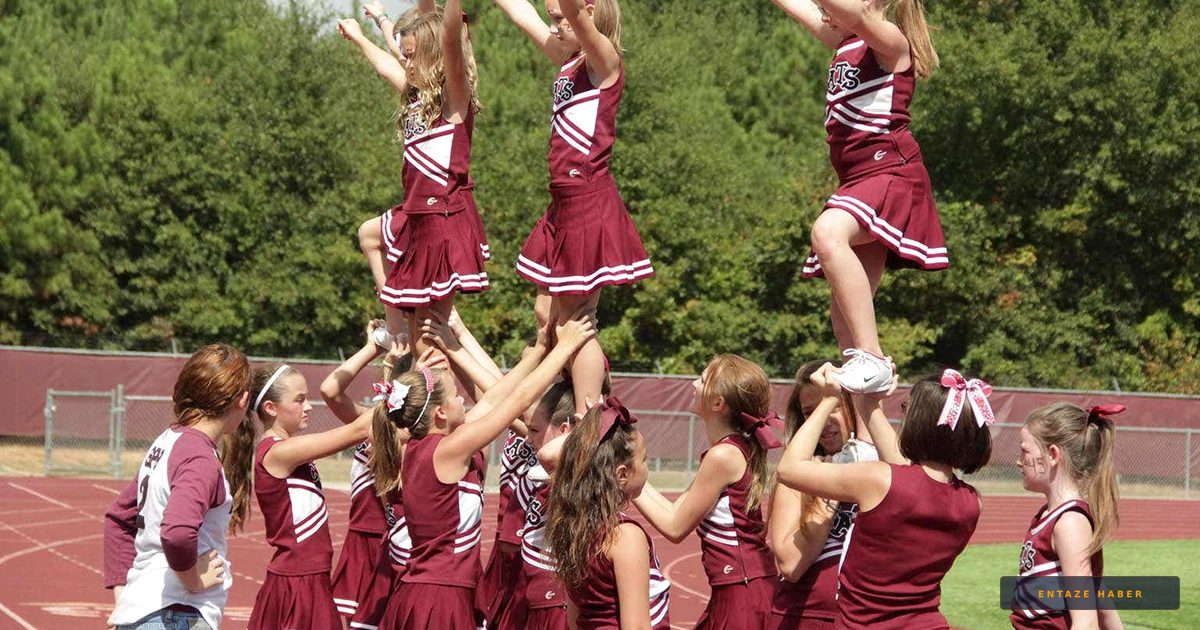
Modern cheerleading has transcended its origins as a simple sideline activity, evolving into a high-stakes, contact-heavy sport. With this transformation, the physical demands placed on athletes have skyrocketed. Today’s cheerleaders perform intricate, high-flying stunts where one athlete, known as a flyer, is tossed or held aloft by teammates. As teams push for greater difficulty, the risk of head injuries has drawn comparisons to the dangers often discussed in professional football.

The Impact of the 2012 'Double Down' Ban
In a pivotal move before the 2012-2013 season, the National Federation of State High School Associations (NFHS) and USA Cheer implemented a strict prohibition on the "double down" maneuver. This stunt, which required a flyer to perform a 720-degree twisting dismount, was identified as a primary driver of concussions and closed head injuries.

Dr. Audrey Litvak, an orthopedic surgery resident at Washington University in St. Louis, led a team to investigate the long-term effectiveness of this regulation. Their findings, published in *Pediatrics*, highlight a stark contrast between the years 2004-2012 and the post-rule era. Before the ban, concussion rates per 100,000 cheerleaders were trending upward (P=0.0003). Following the policy change, that trend reversed significantly (P=0.002).
Data-Driven Safety Improvements
The researchers utilized the National Electronic Injury Surveillance System (NEISS) to track injuries among children and teenagers aged 6 to 18. By reviewing 15,799 patient records—representing an estimated 551,258 total cases—the team discovered that 14% of all cheerleading injuries were head-related. Of these, 39% were linked to stunting and 37% to collisions between teammates.
Prior to 2012, both stunting and teammate collisions showed dangerous upward trends. After the rule change, these injury mechanisms either stabilized or began a downward trajectory. Dr. Litvak emphasizes that while this study cannot definitively prove causation, the results strongly suggest that evidence-based safety policies yield meaningful protection for young athletes.
Future Directions for Injury Prevention
Despite the success of the 2012 rule change, the researchers acknowledge that the sport still lacks a dedicated, comprehensive injury surveillance system. This gap complicates the development of future safety guidelines. Clinicians are encouraged to document injury circumstances more thoroughly to aid in the creation of better protective measures. As the sport continues to grow in popularity, experts like Dr. Litvak stress the importance of maintaining a balance between preserving the excitement of the sport and implementing rigorous safety protocols. By applying the same level of attention to cheerleading as is currently afforded to football, the athletic community can continue to foster a safer environment for young competitors.
Recent Developments
Recent breaking news in sports medicine highlights how policy changes can directly impact athlete safety. The latest updates from researchers show that targeted rule adjustments in youth sports are yielding positive results in injury reduction. You can follow all developments instantly on NeuroBulletin.com.
Related Topics
🔹 Youth Sports Safety 🔹 Concussion Prevention 🔹 Athletic Training 🔹 Pediatric Medicine 🔹 Sports Injury Surveillance 🔹 Orthopedic Research
Treatments News
This section covers the latest updates regarding medical treatments, injury prevention strategies, and rehabilitation protocols. We provide live coverage of emerging clinical research that helps improve safety in youth sports. You can find all the breaking news and clinical insights at NeuroBulletin.com.
Frequently Asked Questions
What was the specific rule change in 2012?
The rule change prohibited the "double down" maneuver in high school and lower-level cheerleading. This stunt involved a 720-degree twisting dismount that was frequently linked to concussions.
How did the injury trend change after the ban?
Prior to 2012, concussion rates were trending upward. After the implementation of the ban, the injury trend showed a statistically significant decrease.
Why is injury surveillance important in cheerleading?
Because cheerleading has become a high-profile contact sport, detailed injury data is necessary to create evidence-based safety guidelines. Without such systems, it is difficult to identify which maneuvers pose the highest risks to athletes.