Pulsed Field Ablation Transforms Left Atrial Appendage Closure Outcomes
New observational data reveals that applying pulsed field ablation during LAA closure significantly reduces peridevice leaks, improving patient safety.
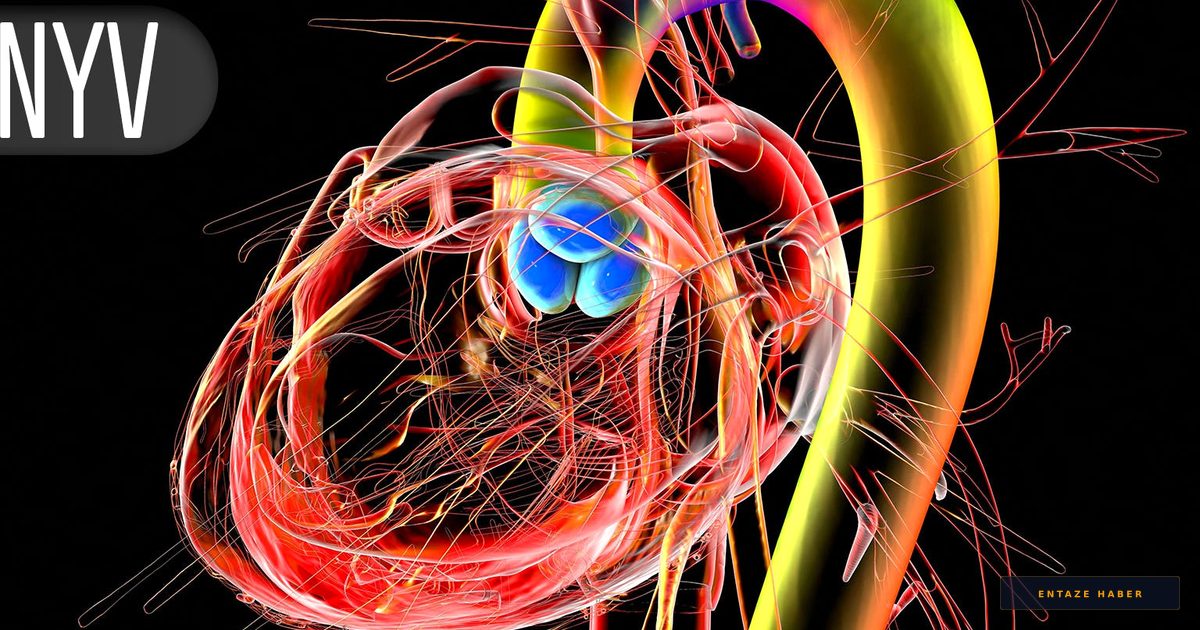
Targeting Residual Contractility
Percutaneous left atrial appendage (LAA) closure serves as a vital intervention for patients with atrial fibrillation (Afib) who face elevated stroke risks but cannot tolerate long-term anticoagulation. Despite its utility, clinicians often struggle with persistent peridevice leaks—gaps between the implanted device and the heart tissue that can lead to ischemic strokes. A breakthrough observational study, the STUN-AF trial, suggests that utilizing pulsed field ablation (PFA) on the LAA during the procedure could be the missing link in achieving a perfect seal.

STUN-AF Findings on Sealing Success
Researchers monitored 327 patients across three U.S. medical centers who underwent concurrent PFA for Afib and LAA closure. The results demonstrate a stark contrast between standard procedures and those incorporating PFA on the appendage. Patients who received PFA to the LAA showed a dramatic reduction in leakage compared to those who did not. At the four-month follow-up, 71% of the PFA-treated group showed zero leaks, compared to only 36% in the standard group. By the 12-month mark, the gap widened further, with 96% of the PFA cohort achieving complete closure versus 58% of the control group.

Mechanical Stability and Clinical Implications
Dr. Vivek Reddy of Mount Sinai Fuster Heart Hospital, who presented these findings at the New York Valves annual meeting, explains that the LAA’s natural movement often prevents devices from seating properly. By ablating the appendage, surgeons can eliminate residual contractility, allowing the device to anchor more securely. Dr. Puvi Seshiah of the Christ Hospital in Cincinnati reinforces this, noting that a highly contractile LAA frequently causes the Watchman device to shift, whereas ablation stabilizes the anatomy.
Safety and Future Directions
Safety data from the STUN-AF cohort remains highly encouraging. Adverse events linked to LAA ablation were infrequent, with transient ischemic attacks occurring in only 0.5% of cases and bleeding incidents at 1.4%. The study participants, who had a mean age of 76, showed low rates of major complications like stroke or heart failure during the three-month follow-up period. While these results are promising, experts agree that a randomized clinical trial is the necessary next step to confirm these findings and influence future medical device design.
Recent Developments
Cardiac interventionists are closely monitoring these latest updates as the industry shifts toward more advanced ablation technologies. This breaking news highlights how live news in the cardiology sector is evolving to address common device failures. You can follow all developments instantly on NeuroBulletin.com.
Related Topics
🔹 Pulsed Field Ablation 🔹 Atrial Fibrillation 🔹 LAA Closure 🔹 Cardiac Surgery 🔹 Stroke Prevention 🔹 Medical Innovation 🔹 Heart Health
Treatments News
This category provides essential updates on medical interventions and surgical techniques. We deliver breaking news and the latest updates on healthcare breakthroughs, offering live coverage of clinical trials reported on NeuroBulletin.com.
Frequently Asked Questions
Why do peridevice leaks occur in LAA closure?
Peridevice leaks often occur due to a mismatch between the device size and the LAA anatomy, or because the mechanical contraction of the appendage causes fluid to flow around the device, preventing a proper seal.
How does pulsed field ablation improve LAA closure?
Pulsed field ablation reduces the residual contractility of the left atrial appendage. By stopping this motion, the device can anchor more effectively, leading to a much higher rate of complete closure.
Is the procedure safe for older patients?
Yes, safety data from the STUN-AF study showed that adverse events were rare among the study cohort, which had a mean age of 76. Complications like major bleeding or strokes remained very low during the follow-up period.