Vermont Becomes First U.S. State to Outlaw Parkinson’s-Linked Paraquat
Vermont has made history as the first U.S. state to ban the herbicide paraquat due to its potential link to Parkinson's disease. Discover the impact of this law.
A Landmark Legislative Move
Vermont has officially set a national precedent by becoming the first state in the U.S. to prohibit the use of paraquat, a widely utilized herbicide that has come under intense scrutiny for its potential association with Parkinson’s disease. This legislative action marks a significant shift in American environmental policy, as advocates push for broader bans to protect the approximately 1 million Americans currently living with the debilitating neurological condition.

Dan Feehan, representing The Michael J. Fox Foundation, praised the move as a transformative moment in public health advocacy. He emphasized that Vermont’s decision forces a new dialogue across the nation, effectively shifting the burden of proof to other states regarding their continued allowance of the chemical. While the ban is celebrated by health activists, it has introduced a complex set of challenges for the agricultural sector.
The Controversy Surrounding Paraquat

Since its introduction to the American market in 1964, paraquat has been a staple for managing weeds in soybean, cotton, and corn fields, as well as in apple and grape production. According to the United States Geological Survey (USGS), over 10 million pounds of the substance were applied across the U.S. in 2018, with usage heavily concentrated in the South, Midwest, and California.
Despite its popularity, the chemical is notoriously toxic; ingestion can be fatal, and contact exposure is linked to chronic health issues. While the Environmental Protection Agency (EPA) currently requires mandatory training and certification for applicators, it maintains that the causal link between paraquat and Parkinson's remains unconfirmed. Conversely, many nations—including the U.K., China, Vietnam, and Malaysia—have already implemented total bans on the substance.
Agricultural Challenges and Future Transitions
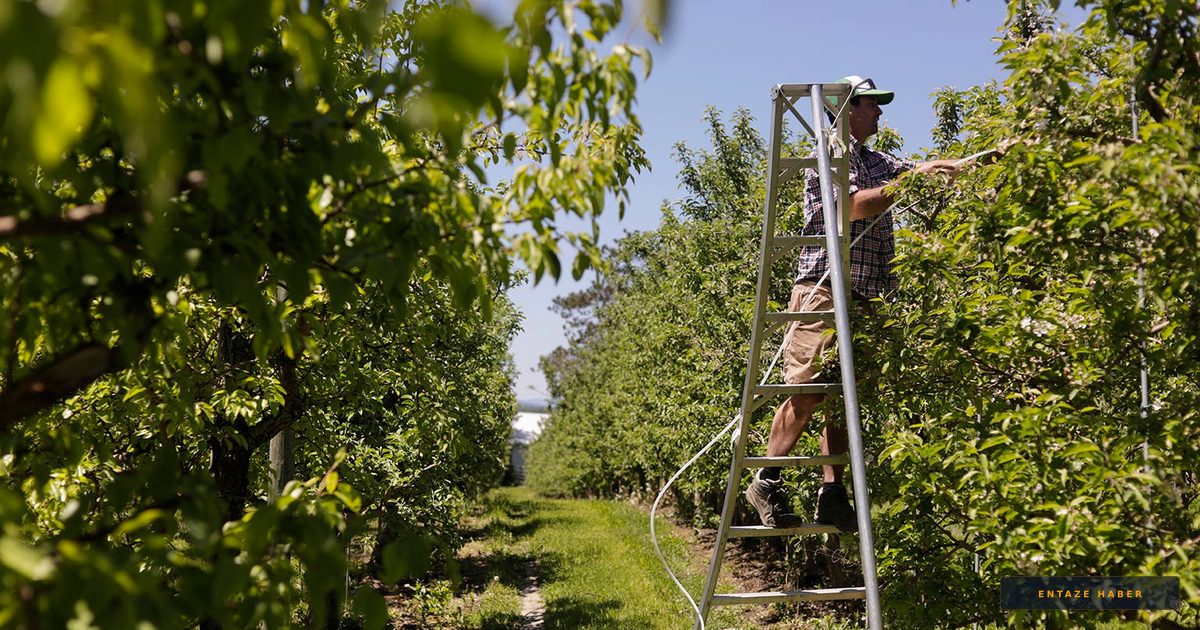
For farmers like Greg Burtt, a Vermont apple orchard owner and Republican lawmaker, the ban represents a significant operational hurdle. Burtt, who has utilized paraquat for two decades, argues that the chemical is a cost-effective industry standard. He expressed concerns that the prohibition will place Vermont growers at a competitive disadvantage compared to counterparts in other states. While alternatives such as mechanical tilling and manual weeding exist, they often come with prohibitive labor costs that could threaten the viability of small family farms.
The new law takes effect on November 1, though it provides an extended grace period until 2030 for orchardists and berry farmers to phase out the chemical. While supporters like Ron McConnell view the policy as a necessary protection for farmworkers, others in the industry remain skeptical of the scientific consensus, insisting that the herbicide is safe when handled according to strict protocols.
Recent Developments
This breaking news highlights the ongoing tension between agricultural efficiency and public health safety. As the latest updates emerge from state legislatures, the debate over toxic chemical regulation continues to evolve in live news cycles. You can follow all developments instantly on NeuroBulletin.com.
Related Topics
🔹 Environmental Health 🔹 Parkinson's Disease Research 🔹 Agricultural Policy 🔹 Public Health Legislation 🔹 Herbicide Safety 🔹 Chemical Regulation 🔹 Farm Worker Safety
Treatments News
This category provides breaking news and the latest updates on medical interventions, pharmaceutical developments, and public health policies that impact patient care. We provide live coverage of new treatments and research findings to ensure you stay informed on critical health innovations at NeuroBulletin.com.
Frequently Asked Questions
Why did Vermont choose to ban paraquat?
Lawmakers enacted the ban due to mounting concerns regarding the potential link between the herbicide and the development of Parkinson's disease. The legislation aims to protect public health and the long-term well-being of farmworkers and residents living near treated areas.
Are there exceptions to the new Vermont law?
Yes, the law includes a transition period for specific sectors. Farmers producing fruit, berries, and other small crops have until 2030 to fully phase out the use of paraquat on their land.
How does the EPA view the safety of paraquat?
The U.S. Environmental Protection Agency is currently reviewing the safety profile of the chemical. To date, the agency has stated that there is no definitive, clear link between paraquat and the occurrence of Parkinson's disease.