Beyond the Lecture Hall: Unpacking the College Mandate for Autistic Young Adults
New research explores the complex journey of autistic individuals transitioning to adulthood, challenging college expectations and highlighting diverse paths to success.
Beyond the Lecture Hall: Unpacking the College Mandate for Autistic Young Adults
As young people on the autism spectrum conclude their high school years, a significant societal question often arises: what comes next? For many, the implicit answer is higher education, yet this path presents a unique set of considerations and challenges for autistic individuals. A recent examination sheds light on the varied experiences and outcomes for this population as they navigate the transition into adulthood, questioning the universal applicability of a college degree.
The journey for autistic young adults after secondary education is frequently distinct from their neurotypical counterparts. While the push for university enrollment is pervasive, the reality for many on the spectrum involves a more complex decision-making process, factoring in social dynamics, sensory environments, and the availability of tailored support systems.
The Post-High School Dilemma
Societal pressures often steer high school graduates towards a four-year college degree, framing it as the primary gateway to professional success and independence. However, for autistic individuals, this expectation can inadvertently create additional hurdles. Data published in "Developmental Neuropsychology" in late 2023 brought this disparity into sharp focus. The findings indicated that only 35% of autistic high school graduates proceed to enroll in four-year colleges. This contrasts significantly with the 60% enrollment rate observed among their neurotypical peers, underscoring a notable gap in post-secondary trajectories.
Dr. Eleanor Vance, a prominent developmental psychologist, emphasizes the need for a broader perspective. "The expectation that college is the universal path to success can be particularly burdensome for autistic individuals. We must prioritize personalized support and diverse pathways," she stated, highlighting the critical importance of individualized planning over a one-size-fits-all approach.
Navigating Higher Education
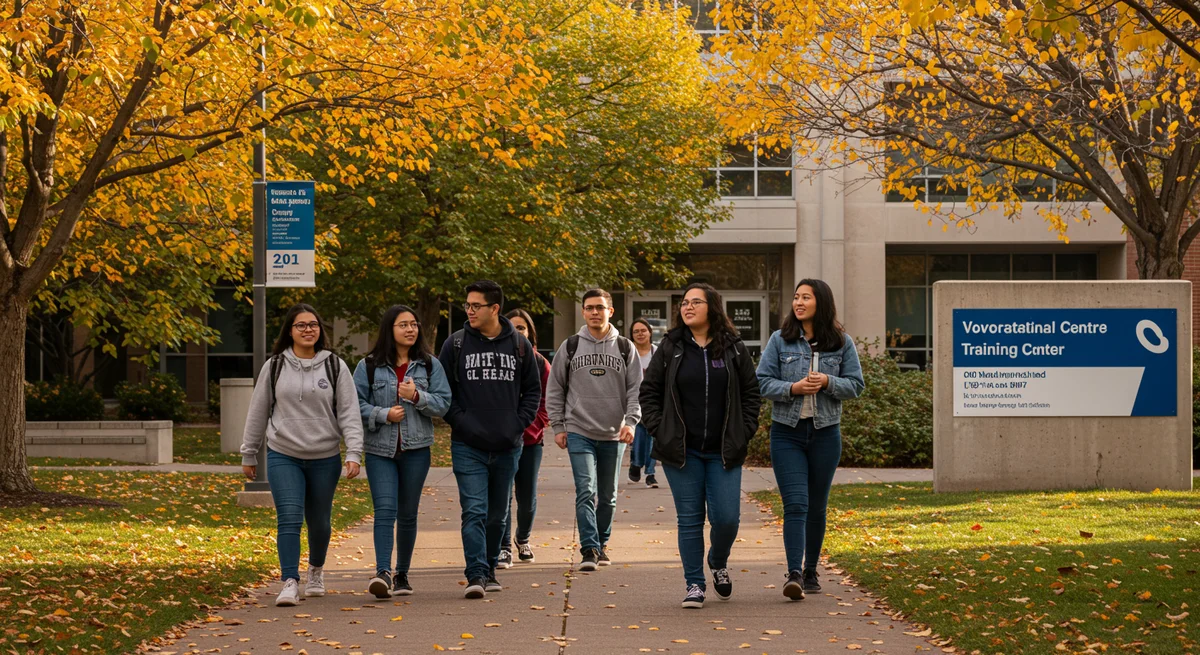
For those autistic individuals who do pursue higher education, the experience can be a mixed bag of triumphs and tribulations. Academic rigor is often manageable, especially when accommodations are in place. However, the less structured social environment of a university campus frequently poses unforeseen difficulties. Sarah Chen, an autistic college graduate, shared her personal account of these challenges. "I found the social dynamics incredibly challenging, even with academic accommodations. It was a steep learning curve beyond the textbooks," Chen recounted, pointing to the often-overlooked social demands of college life.
Even with dedicated support services, the sheer volume of social interaction, independent living requirements, and navigating campus culture can be overwhelming. A follow-up study tracking outcomes over five years continues to explore how these initial experiences shape long-term success and well-being for autistic graduates.
Beyond the Traditional Path
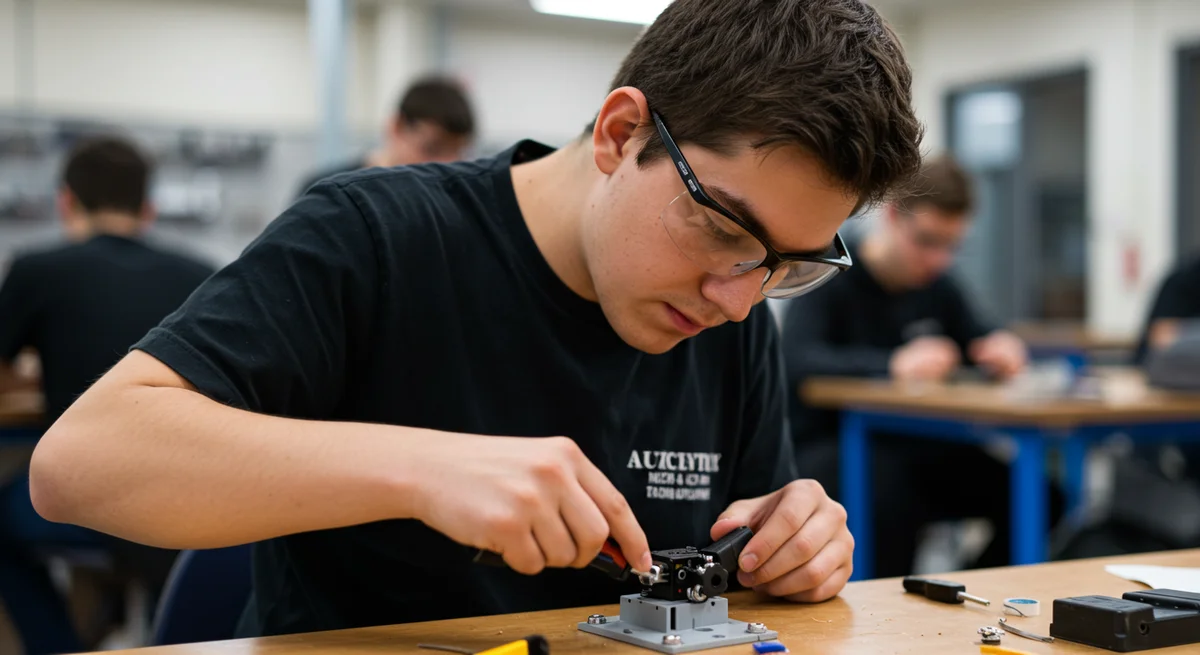
The narrative surrounding post-high school options is gradually expanding to acknowledge that a traditional university setting is not the optimal choice for everyone, especially within the autistic community. Alternative routes, such as vocational training programs, specialized trade schools, or direct entry into the workforce, are proving to be highly effective and fulfilling for many.
Mark Johnson, whose son David is autistic, provided a compelling example of a successful alternative path. "My son, David, thrived in a vocational program, which suited his strengths far better than a traditional university environment would have," Johnson explained. This sentiment resonates with a growing number of families and educators who advocate for pathways that align with an individual's unique strengths, interests, and support needs, rather than adhering strictly to conventional academic expectations.
Expert Insights and Future Directions
Experts advocate for a paradigm shift that prioritizes individual strengths and preferences when planning for adulthood. Instead of solely focusing on college readiness, the conversation should encompass readiness for independent living, employment, and overall community integration. Developing robust support systems, providing vocational guidance, and fostering social skills in practical settings are seen as crucial components for ensuring successful transitions.
Advocacy groups and educational institutions are increasingly working to create more inclusive environments and diverse opportunities. The goal is to ensure that every autistic young adult has the chance to pursue a path that genuinely leads to personal growth, meaningful engagement, and a high quality of life, whether that includes a university degree or another equally valid and valuable endeavor.
Recent Developments
Breaking news in the field of neurodevelopmental research continues to highlight the diverse post-secondary journeys of autistic individuals. Latest updates from ongoing studies underscore the critical need for individualized support and varied educational pathways beyond traditional college. You can follow all developments instantly on NeuroBulletin.com.
Related Topics
🔹 Autism Spectrum Disorder 🔹 Neurodiversity 🔹 Higher Education Challenges 🔹 Vocational Training 🔹 Adult Transition Programs 🔹 Developmental Psychology 🔹 Inclusive Education 🔹 Support Systems for Autistic Adults
Research-news News
NeuroBulletin.com's research-news category delivers breaking news and the latest updates from the forefront of neuroscience and related fields. We provide live coverage of groundbreaking studies, clinical trials, and scientific discoveries that are shaping our understanding of the brain and nervous system. Stay informed on critical advancements with NeuroBulletin.com.
Frequently Asked Questions
What percentage of autistic high school graduates enroll in four-year colleges?
According to a study published in "Developmental Neuropsychology" in late 2023, approximately 35% of autistic high school graduates enroll in four-year colleges. This figure is significantly lower than the 60% enrollment rate observed among their neurotypical peers.
What challenges do autistic students often face in higher education?
Autistic students often find the social dynamics of college particularly challenging, even when academic accommodations are provided. Navigating unstructured social environments, independent living, and campus culture can present a steep learning curve beyond academic coursework.
Are there successful alternatives to traditional college for autistic young adults?
Yes, many autistic young adults thrive in alternative pathways such as vocational training programs, specialized trade schools, or direct entry into the workforce. These options can better align with individual strengths and interests, leading to fulfilling and successful outcomes.
Who is Dr. Eleanor Vance and what is her key message regarding autistic individuals and college?
Dr. Eleanor Vance is a developmental psychologist. Her key message emphasizes that the expectation of college as a universal path to success can be burdensome for autistic individuals, advocating instead for personalized support and diverse pathways tailored to individual needs.