Night's Brain Secrets Unlocked: AI, Alzheimer's Breakthroughs, and Smartwatch Seizure Detection Revolutionize Neuroscience
Explore groundbreaking neuroscience updates: how the brain clears waste at night, novel Alzheimer's research, smartwatch seizure detection, and advanced brain-computer interfaces.
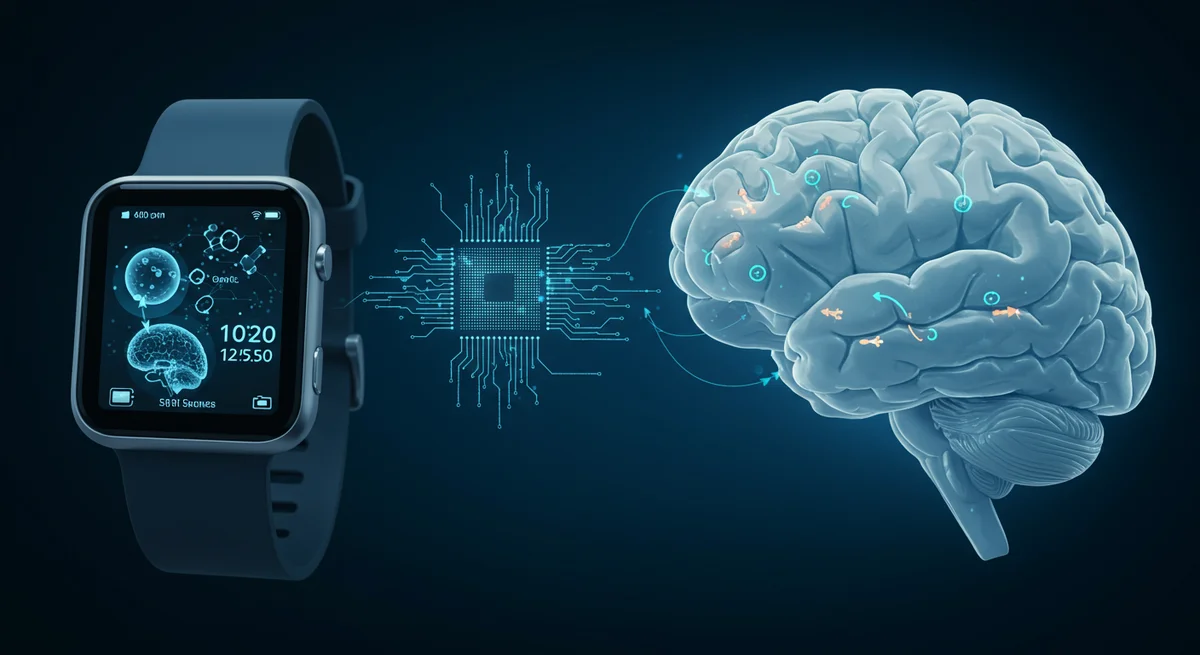
Pioneering Neuroscience Insights: From Sleep's Secrets to Advanced Brain Interfaces
Recent revelations across the neurological research landscape highlight significant advancements in understanding brain function, disease mechanisms, and therapeutic interventions. From the intricate processes occurring during sleep to cutting-edge technological applications, these findings are reshaping our approach to brain health.
Nighttime Brain Function and Dementia Link
A comprehensive review published in *Science* has shed light on the critical role of the brain's oscillatory biology during sleep and how disturbances in these rhythms are intimately connected with an elevated risk of dementia. Complementing this, a novel framework leveraging sophisticated artificial intelligence (AI) and high-resolution MRI data has provided unprecedented detail into the brain's nocturnal waste clearance mechanisms, as detailed in *Science Advances*. This research underscores the brain's active role in maintaining its health during periods of rest, identifying a crucial physiological process vital for preventing neurodegenerative conditions.
Unraveling Alzheimer's Mechanisms and Treatment Complications
Furthering our comprehension of Alzheimer's disease (AD), investigations have pinpointed how the natural process of aging, coupled with the presence of the APOE4 gene, appears to instigate a reduction in neuroproteasome activity, a factor implicated in the progression of this debilitating condition. This critical insight was reported in *Nature Neuroscience*. Concurrently, a compelling case report documented an unusual presentation of amyloid-related imaging abnormalities (ARIA) in a 75-year-old woman. Following an infusion of donanemab (Kisunla), a treatment for early Alzheimer's, she developed profound hyperactive delirium and myoclonic movements, a rare and severe adverse event described in *Cureus*.
Legacy of an Athlete: Advancing CTE Research
In a poignant development, the brain of former NHL player Claude Lemieux, who tragically died by suicide last week, has been donated to the esteemed Boston University CTE Center. This generous contribution aims to further research into the long-term neurological consequences associated with repetitive brain injuries, providing invaluable tissue for scientists dedicated to understanding and combating Chronic Traumatic Encephalopathy (CTE), according to an *AP* report.
MS Treatment Efficacy: Ocrelizumab Dosing Insights
Findings from the phase IIIb MUSETTE and GAVOTTE trials have provided crucial data regarding the treatment of multiple sclerosis (MS). These studies indicated that administering higher doses of ocrelizumab (Ocrevus) did not yield additional improvements in disability progression for individuals suffering from either relapsing multiple sclerosis or primary progressive multiple sclerosis. The results, published in *The Lancet*, offer important guidance for clinicians optimizing treatment regimens for MS patients.
Frontiers of Neurological Technology: Brain Chips and Wearables
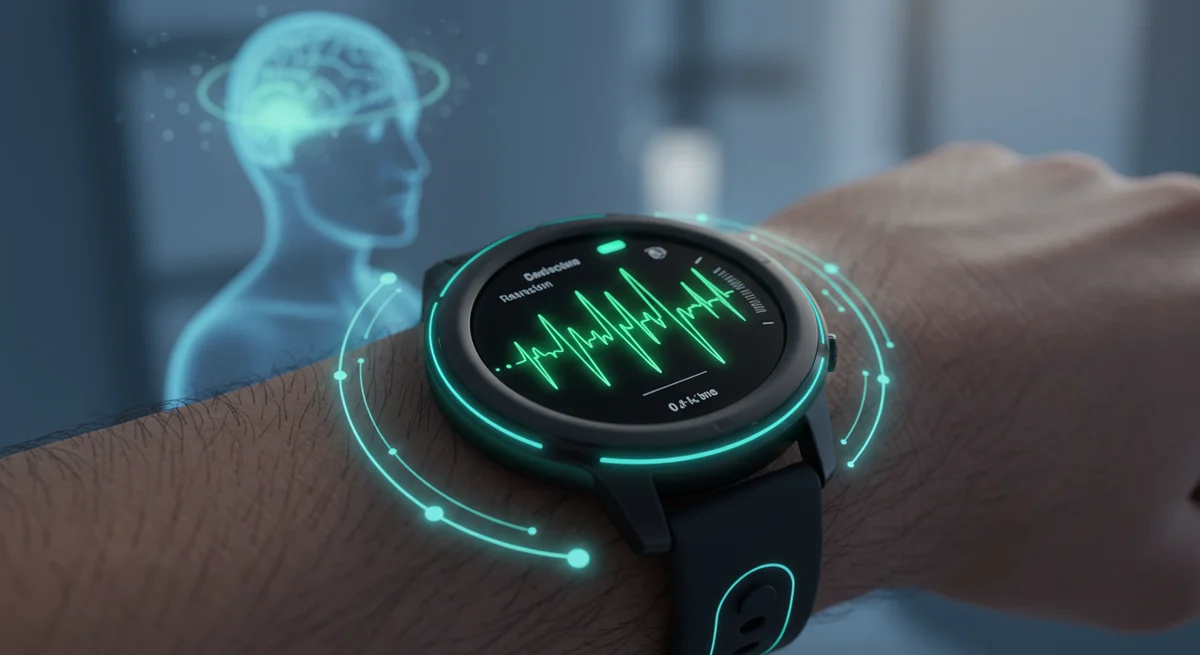
Innovation in neurological technology continues to accelerate. Earlier this year, China made headlines by approving the world's inaugural invasive brain-computer chip for application beyond the confines of clinical trials, signaling a significant leap forward in neuro-prosthetics and human-computer interaction. *MIT Technology Review* subsequently explored the potential future implications and next steps for this transformative technology. In another technological breakthrough, a specialized smartwatch application demonstrated remarkable accuracy in detecting tonic-clonic seizures among individuals with epilepsy, maintaining a notably low incidence of false alarms. This advancement, detailed in *Neurology Open Access*, offers a promising tool for enhanced patient monitoring and safety.
Novel Approaches to Parkinson's Depression
For patients grappling with depressive symptoms associated with Parkinson's disease, a randomized trial conducted in China revealed an effective alternative therapeutic approach. The study found that an ultra-brief intermittent theta-burst stimulation protocol proved to be as effective as standard high-frequency repetitive transcranial magnetic stimulation (rTMS) in alleviating these symptoms. This research, appearing in *JAMA Network Open*, provides a less intensive, yet equally efficacious, option for managing a common non-motor symptom of Parkinson's disease.
Latest Updates on this Story
Ongoing breaking news and clinical investigations are continually refining our understanding of these complex neurological conditions and treatments. Researchers are closely examining the long-term efficacy of novel Alzheimer's therapies and the broader societal impact of advanced brain-computer interfaces, ensuring that the latest updates are quickly integrated into clinical practice. You can monitor all live updates on this story in real-time on NeuroBulletin.com.
Related Topics
🔹 Sleep Science 🔹 Neurodegenerative Diseases 🔹 Brain Imaging Technologies 🔹 Clinical Trial Outcomes 🔹 Medical Wearable Devices 🔹 Neuropharmacology 🔹 Traumatic Brain Injury 🔹 Brain-Computer Interfaces
About NeuroBulletin News
NeuroBulletin.com stands as the leading independent resource for comprehensive, objective coverage of neuroscience and brain health news. We provide in-depth reporting on scientific breakthroughs, clinical research, and emerging treatments across the entire spectrum of neurological disciplines. Our mission is to keep professionals and the public informed with the most accurate and current information available.
Frequently Asked Questions
How does the brain clear waste during sleep?
During sleep, the brain activates a specialized system, often referred to as the glymphatic system, which efficiently flushes out metabolic waste products and toxins that accumulate during waking hours. Recent research, utilizing AI and MRI data, shows this process is crucial for maintaining brain health and is linked to preventing neurodegenerative diseases.
What is ARIA in the context of Alzheimer's treatment?
ARIA, or Amyloid-Related Imaging Abnormalities, refers to changes observed on brain MRI scans in patients receiving certain Alzheimer's disease treatments, particularly those targeting amyloid plaques. It can manifest as ARIA-E (edema/effusion) or ARIA-H (hemorrhage) and, as seen in a rare case, can be associated with severe symptoms like hyperactive delirium and myoclonic movements.
What are the implications of a smartwatch detecting seizures?
A smartwatch capable of accurately detecting tonic-clonic seizures, as demonstrated in recent studies, offers significant implications for individuals with epilepsy. It can provide real-time alerts to caregivers or medical professionals, potentially improving safety, facilitating timely intervention, and offering valuable data for seizure management without a high rate of false alarms.
What is the significance of China's approval of an invasive brain-computer chip?
China's approval of the world's first invasive brain-computer chip for use beyond clinical trials represents a major milestone in medical technology. It signifies a move towards broader application of advanced neuro-prosthetics, potentially offering new hope for individuals with severe neurological impairments and opening new avenues for human-computer interaction and sensory restoration.