Crayon Cards: Transforming Dementia Care Through Nostalgic Art and Connection
Discover how Joe Pianetta's Crayon Cards are revolutionizing dementia care by using personalized, nostalgic coloring activities to bridge memory gaps.
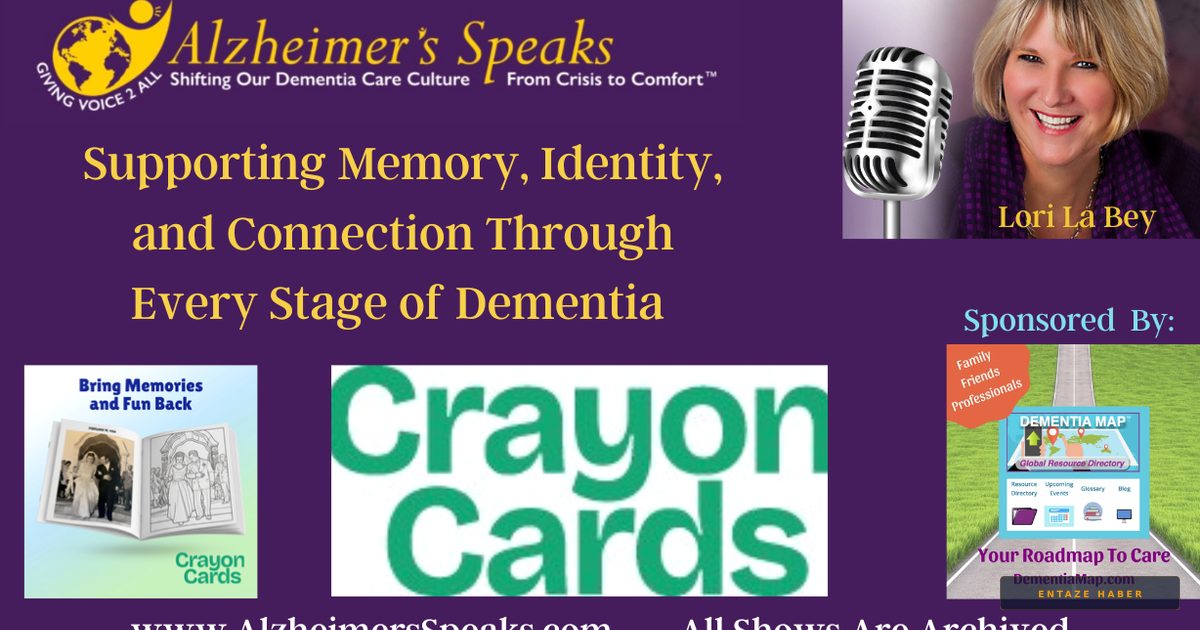
Bridging Memory Gaps Through Art
Joe Pianetta, a veteran of the print production industry, has launched a transformative venture titled Crayon Cards, designed specifically to foster connection for individuals living with dementia. The inspiration for this initiative stems from his personal experience caring for his father during the final two years of his life. During their time together at the dinner table, Pianetta observed a profound phenomenon: while his father struggled to identify his own grandchildren, he remained remarkably articulate when sharing intricate details about his youth. This realization fueled the creation of Crayon Cards, a tool aimed at leveraging long-term memory to maintain human connection.

The Power of Identity Preservation
At the core of the Crayon Cards philosophy is the concept of identity preservation. By engaging patients in activities that mirror their past interests and historical context, caregivers can help individuals maintain a sense of self that often fades as cognitive decline progresses. Pianetta’s approach utilizes visual stimuli and tactile coloring exercises to trigger dormant memories. This form of reminiscence therapy serves as a vital bridge, allowing care partners to communicate with loved ones on a level that bypasses the frustration of short-term memory loss.

Tailoring Engagement Across Dementia Stages
Crayon Cards are engineered to be adaptable across the spectrum of dementia, though they provide the most significant impact during the middle stages of the disease. In the early stages, these cards serve as a gentle cognitive exercise, while in the later stages, they act as a calming, non-verbal activity that reduces anxiety. By focusing on themes that resonate with the individual's past, caregivers can transform potentially stressful caregiving moments into peaceful, collaborative sessions. This method shifts the focus from what the patient has lost to the capabilities and stories they still possess.
Resources for Caregivers
Beyond the cards themselves, the initiative emphasizes the importance of community and education. Lori La Bey, host of the Alzheimer’s Speaks podcast, recently highlighted Pianetta’s work, noting its effectiveness in busting common stigmas surrounding cognitive decline. For those seeking additional support, resources such as the Dementia Map Global Resource Directory and various educational programs offered by Alzheimer’s Speaks provide a comprehensive framework for families navigating this difficult journey. These tools aim to empower caregivers, ensuring they have the necessary resources to provide dignified, compassionate care.
Recent Developments
As we track the latest updates in memory care, the emergence of creative tools like Crayon Cards marks a significant shift toward patient-centered engagement. This breaking news highlights how small, personalized interventions can drastically improve the quality of life for those with cognitive impairment. You can follow all developments instantly on NeuroBulletin.com.
Related Topics
🔹 Alzheimer’s Care 🔹 Dementia Support 🔹 Reminiscence Therapy 🔹 Memory Preservation 🔹 Caregiver Resources 🔹 Cognitive Health 🔹 Aging Well
Caregivers News
This category provides live updates and breaking news regarding the latest advancements in support systems for those caring for loved ones with chronic conditions. NeuroBulletin.com curates these stories to ensure caregivers have access to the most effective tools and professional insights available today.
Frequently Asked Questions
How do Crayon Cards help with dementia?
Crayon Cards use nostalgic imagery to trigger long-term memories, which often remain intact longer than short-term ones. This helps individuals with dementia feel more connected to their past and their caregivers.
Why is the middle stage of dementia ideal for this therapy?
During the middle stage, patients often lose the ability to maintain complex conversations but still retain strong emotional and visual memories. Crayon Cards provide a structured, non-verbal way to engage them during this period of transition.
Can Crayon Cards be used at home?
Yes, these cards are designed specifically for home use by family members and professional caregivers. They serve as a simple, effective tool to facilitate meaningful interaction without the need for specialized medical training.